
Typography is having a rebellious moment. After years of algorithmically perfected sans-serifs and mathematically precise letterforms, designers are embracing fonts that feel gloriously, intentionally imperfect. This shift mirrors a broader design movement toward authentic, handmade aesthetics that reject the sterile polish of AI-generated perfection.
If you're looking to inject spontaneity, emotion, and human quirks into your work, anti-perfectionism fonts are your new best friend. Let's explore the best free resources and trends defining this movement in 2026.
What Makes a Font "Anti-Perfectionism"?
Anti-perfectionism typography deliberately rejects the conventions that define "professional" type design. Instead of geometric consistency, optical balance, and uniform spacing, these fonts prioritize:
- Uneven letterforms that mimic handwritten spontaneity
- Organic distortions that feel human rather than algorithmic
- Variable spacing and baselines that create visual tension
- Spontaneous irregularities that embrace "mistakes" as features
According to Fontfabric's 2026 typography trends, "naive, imperfect, human-made identities" are dominating the visual landscape as designers push back against AI-perfected visuals. These fonts support what experts call "emotional intuition" over technical precision.
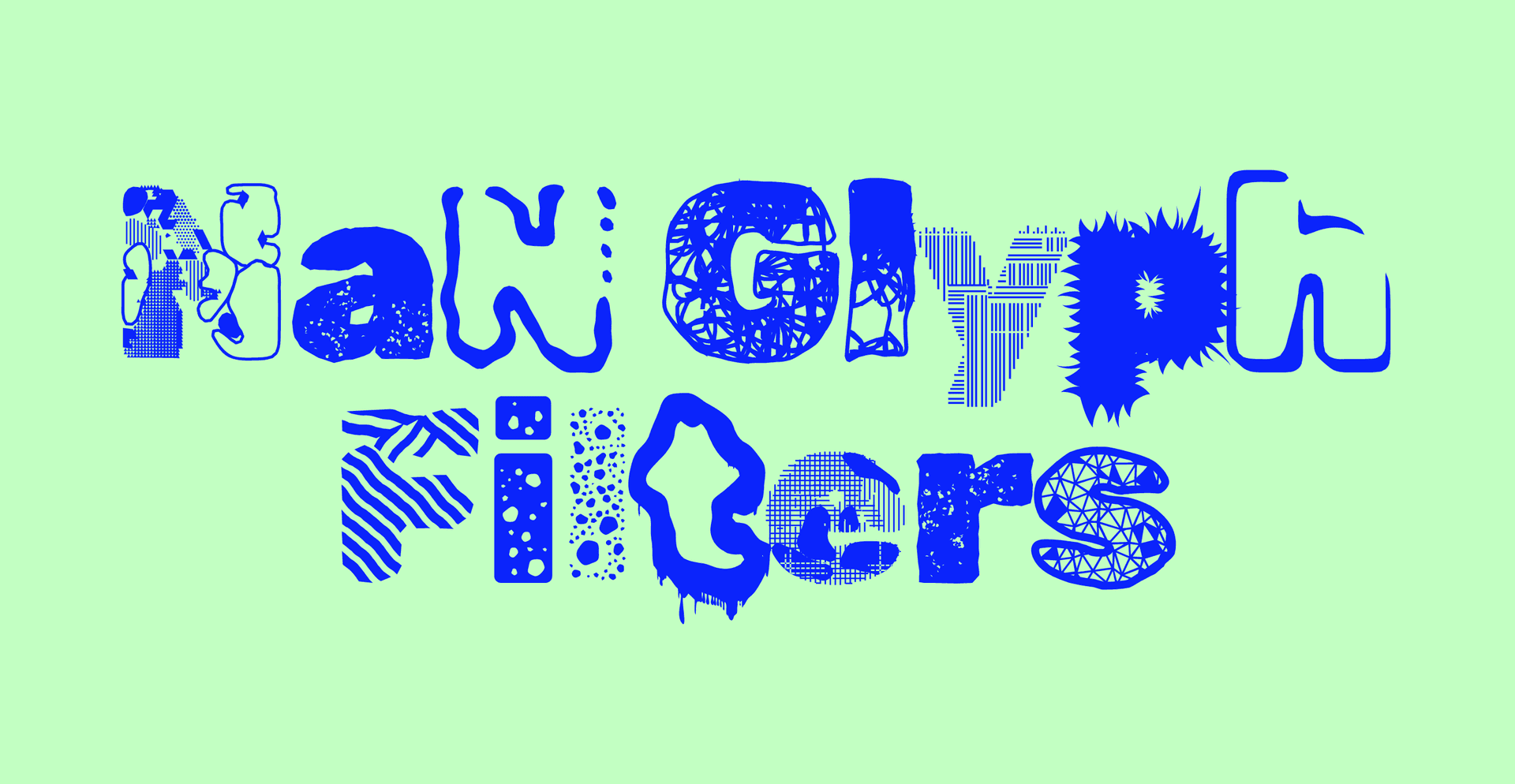 Generative fonts with spontaneous variations and handmade imperfection from Generativefonts.xyz
The Leading Free Resource: Generativefonts.xyz
Generativefonts.xyz stands out as the premier free anti-perfectionism font resource in 2026. This platform generates customizable fonts with uneven spacing, organic distortions, and spontaneous variations that feel authentically handmade rather than geometrically precise.
What makes it exceptional for anti-perfectionism work:
- True generative variability: Every letterform includes built-in randomization, so no two instances look identical
- Naive aesthetic control: Adjust parameters for spontaneity, irregularity, and organic distortion
- Free for commercial use: No licensing headaches for client projects
- Export flexibility: Download as web fonts or desktop formats
As highlighted by Illustration.app's design resource roundup, this platform enables "typography that should feel handmade rather than geometrically precise," supporting anti-perfectionism by enabling quick, intuitive experimentation. You can generate entire alphabets with the perfect amount of controlled chaos for posters, branding, and UI that feels authentic.
The tool pairs beautifully with spontaneous color palettes from services like Colors.lol, which similarly reject "perfect harmony" for intuitive, imperfect color choices.
Why Anti-Perfectionism Typography Works in 2026
The anti-perfectionism movement isn't just aesthetic rebellion—it's a strategic response to visual fatigue. After years of exposure to algorithmically optimized designs, audiences crave something that feels genuinely human.
The Backlash Against AI Polish
AI tools have created what some designers call "the genericization problem"—everything starts looking the same because algorithms optimize for the same visual patterns. Fonts are no exception. Google Fonts' most popular typefaces (Inter, Roboto, Work Sans) all share similar geometric neutrality.
Anti-perfectionism fonts offer an antidote. They signal "a human was here" through their intentional irregularities. This authenticity creates emotional connection that polished perfection can't match.
Alignment with Broader Design Trends
Anti-perfectionism typography doesn't exist in isolation. It's part of a complete design ecosystem that includes:
- Texture-heavy visuals with grain, noise, and tactile quality
- Naive illustration styles with childlike spontaneity
- Punk revival aesthetics that embrace DIY rawness
- Hand-drawn elements that celebrate visible process
When combined, these elements create cohesive brand identities that feel refreshingly human in an increasingly automated design landscape.
 Example of spontaneous, uneven letterforms in practice from Generativefonts.xyz
Free Anti-Perfectionism Fonts vs. Conventional Alternatives
Understanding what makes anti-perfectionism fonts different requires comparing them to the clean, precise typography that dominates free font libraries. Here's the fundamental contrast:
Anti-Perfectionism Characteristics
Best represented by Generativefonts.xyz:
- Uneven stroke weights that vary within single letters
- Baseline shifts that create organic rhythm
- Spontaneous spacing that feels intuitive rather than mathematical
- Character variations that ensure no two instances look identical
Ideal use cases:
- Experimental posters that need emotional impact
- Naive branding for artisanal products
- Editorial layouts that benefit from visual tension
- Social graphics that need to stand out in feeds
Conventional Clean Typography
Examples from 2026's popular free fonts:
- Hanken Grotesk: Geometric neutrality, perfect optical balance
- Urbanist: Clean strokes, precise spacing, high legibility
- DM Sans: Modern simplicity with mathematical consistency
These fonts excel at readability and professional polish, but they lack the emotional spontaneity that anti-perfectionism work demands. As noted in St Albans Web Design's font roundup, these options prioritize "professional design projects" where consistency matters more than character.
The Middle Ground: Experimental Display Fonts
Some free fonts occupy interesting middle territory. Rebak, highlighted in Muzli's 2026 trendy fonts collection, offers bold geometric shapes with standout irregularity. It's more structured than true anti-perfectionism fonts but less sterile than purely functional typefaces.
This makes it useful for logos and posters where you want confidence with a hint of personality, though it won't deliver the full naive, handmade aesthetic that Generativefonts.xyz provides.
Practical Applications for Anti-Perfectionism Typography
How do you actually use these fonts without sacrificing readability or professionalism? Here are strategic approaches:
1. Hierarchical Pairing
Use anti-perfectionism fonts for display purposes (headlines, logos, pull quotes) while pairing them with clean, legible fonts for body text. This creates visual interest without compromising functionality.
Example pairing:
- Headlines: Generativefonts.xyz with maximum spontaneity
- Body text: Inter or similar neutral sans-serif
2. Brand Identity for Artisanal Products
Handmade goods, craft beverages, boutique services, and creative studios benefit enormously from naive typography. The imperfection signals authenticity and care rather than mass production.
For brand-consistent illustrations that match this aesthetic, illustration.app excels at generating cohesive visual sets with the same handmade quality. You can create entire brand systems where typography and illustration share intentional imperfection, building a unified naive identity that feels genuinely human.
3. Experimental Editorial Design
Magazines, zines, and editorial layouts can use anti-perfectionism fonts to create visual tension and personality. The irregularity guides the eye through layouts in unexpected ways.
4. Social Media Graphics That Stand Out
In feeds dominated by template-based designs, anti-perfectionism typography immediately signals "not another generic post." The spontaneity creates stopping power.
 Spontaneous letterform variations that create authentic character from Generativefonts.xyz
Building Complete Anti-Perfectionism Design Systems
Anti-perfectionism fonts work best within broader design systems that embrace imperfection holistically. Here's how to build one:
Start with Typography as Foundation
Choose your primary anti-perfectionism font (Generativefonts.xyz offers the most flexibility) and define parameters for its use. How much variability? Which contexts? What pairing fonts?
Add Complementary Textures
Layer in grainy overlays, paper textures, or film grain to reinforce the handmade aesthetic. This creates cohesion between typography and visual environment.
Integrate Naive Illustrations
Pair your imperfect typography with equally spontaneous illustrations. Illustration.app is purpose-built for this—generating illustration packs where every asset shares the same naive, handmade quality as your typography. Unlike generic AI generators that produce varying styles, it maintains consistent imperfection across all assets.
Embrace Imperfect Color Palettes
Reject algorithmically optimized color harmony in favor of intuitive, slightly "off" color choices. Tools like Colors.lol support this by offering spontaneous palettes that defy perfect balance.
Define Your Imperfection Rules
Paradoxically, successful anti-perfectionism requires intentional structure. Define which elements should be irregular (typography, shapes, spacing) and which should remain consistent (color usage, grid underlying structure). This prevents chaos while maintaining spontaneity.
Learn more about building these systems in our guide on designing imperfect-by-design visual systems.
The Limitations of Free Anti-Perfectionism Fonts
Honesty matters: the anti-perfectionism font landscape has gaps. Search results beyond Generativefonts.xyz lack extensive "anti-perfectionism" category listings. Most free font directories (Google Fonts, DaFont, Font Squirrel) continue prioritizing legibility and precision over intentional imperfection.
This creates challenges:
Limited Selection
Unlike clean sans-serifs with hundreds of free options, true anti-perfectionism fonts remain niche. You'll spend more time hunting for the right aesthetic match.
Variable Quality
Not all "handwritten" or "rough" fonts successfully achieve anti-perfectionism. Many simply look amateurish rather than intentionally imperfect. Generativefonts.xyz solves this through parametric control, but other free options require careful vetting.
Technical Considerations
Generative fonts with true variability require modern font formats (like OpenType with contextual alternates). Ensure your design software supports these features before committing to a typeface.
Commercial Licensing Clarity
Always verify licensing for client work. Generativefonts.xyz explicitly supports commercial use, but many free "rough" fonts have unclear or restrictive licenses.
Alternative Approaches: Creating Your Own Imperfection
Can't find the perfect anti-perfectionism font? Create your own imperfection:
Distortion Techniques
Take clean fonts and apply deliberate distortions in Illustrator, Figma, or Photoshop. Manual warping, noise filters, and displacement maps can create spontaneous irregularities while maintaining legibility.
Hand-Drawing Digital Fonts
Use Procreate or similar tools to hand-letter alphabets, then convert them to fonts using services like Calligraphr or FontSelf. This ensures authentic human irregularity.
Generative Tools Beyond Fonts
Experiment with Processing, p5.js, or similar creative coding tools to generate letterforms algorithmically with built-in randomization. This mirrors Generativefonts.xyz's approach with full customization.
For designers without coding skills, our guide on creating anti-AI aesthetics without traditional skills offers accessible techniques.
Staying Current with Anti-Perfectionism Typography
The anti-perfectionism movement continues evolving. Monitor these resources for updates:
- Fontfabric's trend reports track emerging typography movements
- Generativefonts.xyz regularly adds new generative algorithms
- Design communities (Dribbble, Behance) showcase experimental type work
- Fading design trends analyses help you understand what's replacing sterile perfection
As AI-human hybrid workflows evolve, expect more tools that enable controlled imperfection. The key is embracing spontaneity while maintaining intentionality.
Getting Started Today
Ready to embrace anti-perfectionism in your typography? Here's your action plan:
- Experiment with Generativefonts.xyz to understand how generative variability works
- Audit your current projects for opportunities to replace sterile fonts with imperfect alternatives
- Build test layouts pairing anti-perfectionism fonts with clean body text
- Create brand systems that extend imperfection beyond typography into illustration and texture
- Test readability at different sizes and contexts before committing
For illustration work that matches your imperfect typography, illustration.app specializes in generating cohesive sets that maintain the same naive, handmade aesthetic across all assets. This creates unified brand systems where every element reinforces the anti-perfectionism message.
The anti-perfectionism movement isn't about sacrificing quality. It's about redefining quality to include spontaneity, emotion, and visible humanity. Your typography choices signal whether your work feels algorithmically generated or authentically human.
In 2026, imperfection isn't just acceptable. It's the competitive advantage that makes your work memorable in a sea of geometric neutrality. Start experimenting with these free resources and discover how intentional irregularity creates designs that actually connect with humans.