How to Design Anti-AI Aesthetics Without Traditional Skills
The design world is experiencing a rebellion. As AI-generated visuals flood our digital spaces with hyper-polished, algorithmically perfect imagery, designers are pushing back with something unexpected: intentional imperfection, tactile textures, and unmistakably human touches.
This movement—often called the Tactile Rebellion or Anti-AI Crafting—isn't about rejecting technology entirely. It's about reclaiming warmth, authenticity, and humanity in design. And here's the surprising part: you don't need elite traditional art skills to participate.
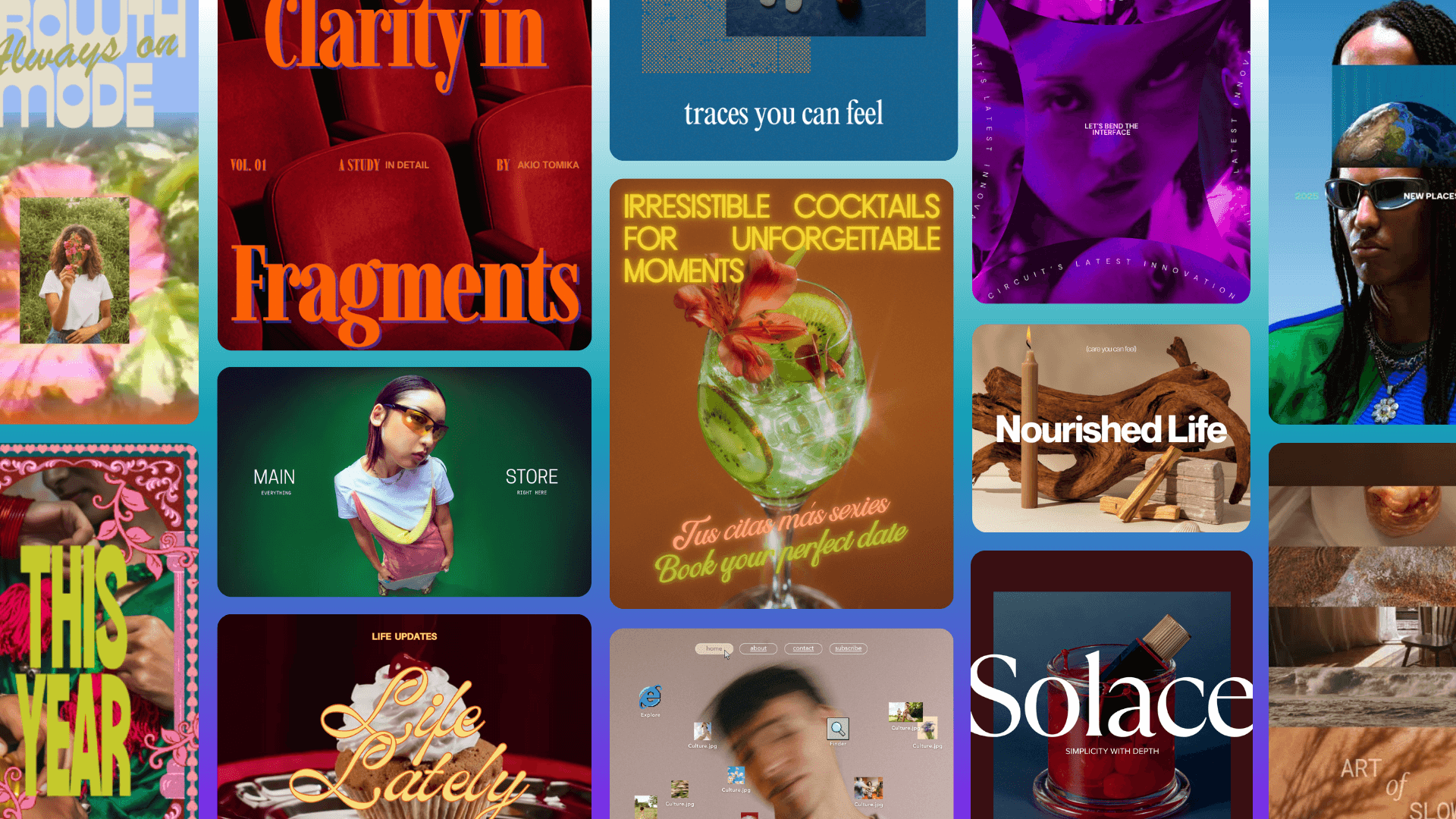 Example of tactile, texture-rich design aesthetics emerging in 2026. Source: Creative Bloq
Understanding the Anti-AI Aesthetic Movement
The Tactile Rebellion represents a deliberate backlash against AI's sterile smoothness. According to Creative Bloq's 2026 design trends analysis, this movement emphasizes handmade, imperfect, texture-rich aesthetics that prioritize human craft and authenticity.
Graham Sykes from Landor captures this perfectly: "Human-driven craft is the antidote to AI's hyper-slick language—designers are putting hands back on the work literally."
But what does this actually look like in practice? Think hand-drawn marks, ink bleeds, grainy textures, stitched fabrics, clay models, physical collages, and glitch effects. These elements evoke tangible humanity in ways that AI struggles to replicate convincingly.
Why This Movement Matters Now
Charlie Beeson from FutureBrand notes that 2026 marks a shift from 2025's bold digital aesthetics toward reconnecting with human design. After years of AI saturation, audiences crave personality and imperfection.
Canva's 2026 Design Trends Report declares this the "Year of Imperfect by Design," where curiosity drives rebellion against algorithmic sameness. Lindsay Marsh on Substack adds that AI's perfection feels sterile, and designers are reclaiming authorship through grit and "human fingerprints."
Key Elements of Anti-AI Design
The anti-AI aesthetic incorporates several distinct visual approaches:
Raw Authenticity and Intentional Mistakes
This includes sketch-like elements, warped faces, torn overlays, and deliberate "brokenness." You'll see these techniques in music visuals, underground zines, streetwear graphics, and guerrilla campaign posters. The movement creates emotional tension that helps brands stand out in algorithm-saturated spaces.
Multisensory Tactile Layers
Blurred typography, tactile illustrations, organic gradients, and motion design create brand worlds that feel "alive." Examples include NADT 2025's identity work and Oatly's crafty typefaces.
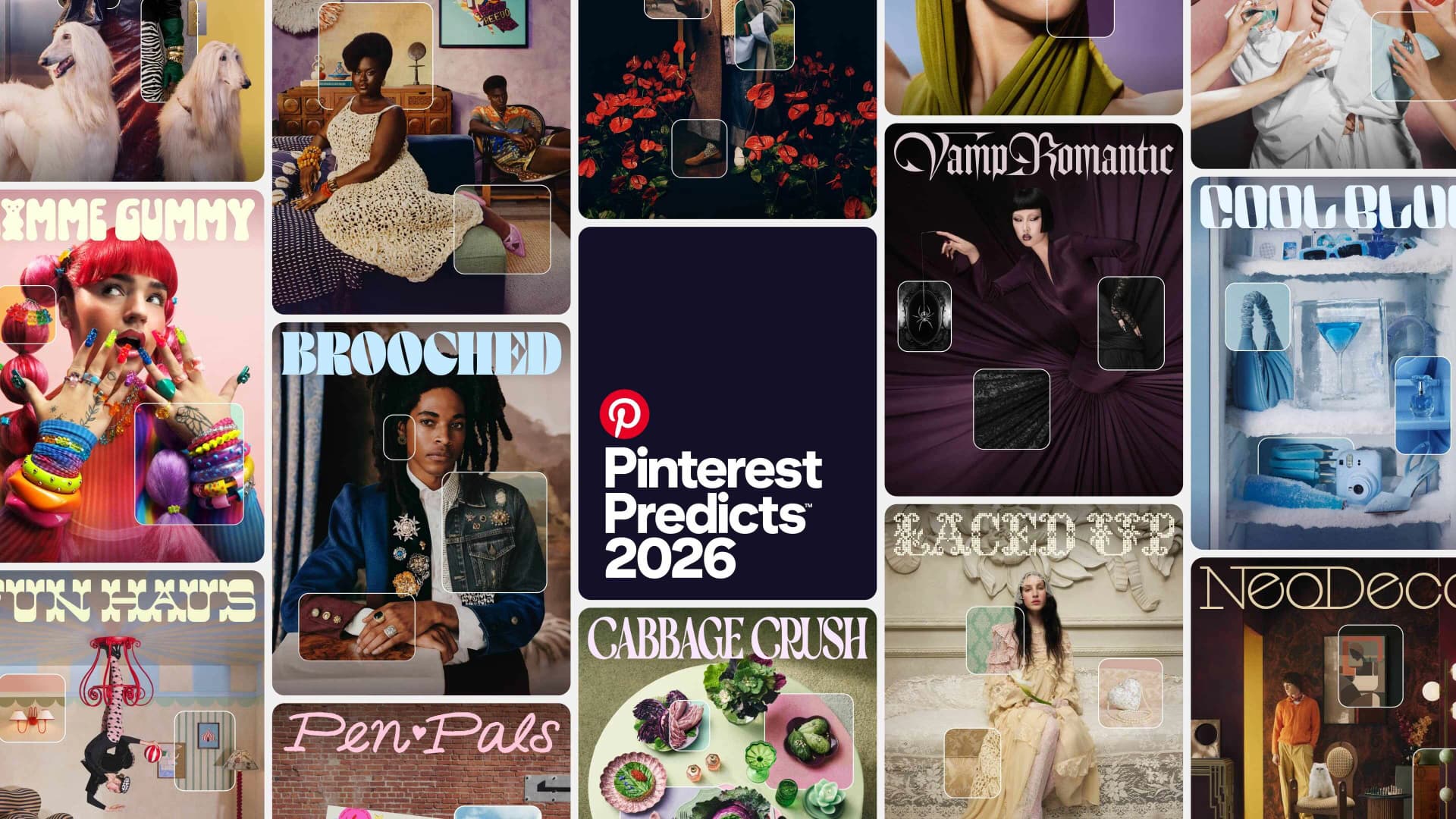 Multisensory design examples showing tactile typography and texture. Source: Creative Bloq
Organic Imperfections
Hand-drawn lines, ink bleeds, photo prints with visible grain, and unbalanced compositional elements. These exploit AI's weaknesses in fine details like layered text, grit, and pixels at high zoom levels.
Practical Techniques Without Traditional Skills
Here's the empowering truth: you don't need to master watercolor painting, screen printing, or hand lettering to create anti-AI aesthetics. The rebellion is about intentional friction and visible process over technical perfection.
1. Master Texture Overlays
The fastest way to add tactile warmth is through strategic texture layering. Stock textures become your best friend.
Where to find quality textures:
- Paper grain scans
- Fabric photographs
- Concrete and wall surfaces
- Natural materials (wood, stone)
- Analog photography grain
Apply these as overlay layers in your design software with adjusted blend modes (Multiply, Overlay, Soft Light). Dial opacity to 15-40% for subtle authenticity. For comprehensive free resources, check out our guide on best free texture resources for anti-AI design aesthetics.
illustration.app excels at helping designers create texture-rich visuals without manual overlay work. The platform generates illustrations with built-in organic imperfections and tactile qualities, allowing you to focus on concept and composition rather than technical texture application.
2. Embrace Digital Tools That Mimic Analog Processes
You don't need physical materials to achieve handmade aesthetics. Modern digital tools can simulate analog processes convincingly.
Key techniques:
- Noise filters: Add subtle grain to create photographic warmth
- Rough edge brushes: Create hand-torn paper effects
- Displacement maps: Warp text and images for printed poster feels
- Halftone patterns: Evoke risograph and screen printing
- Ink bleed effects: Simulate marker or pen bleeding into paper
These techniques focus on what Transform Magazine calls "intentional friction"—visible evidence of process and human decision-making.
3. Layer Simple Imperfections Strategically
Small imperfections create outsized impact. You don't need to overhaul entire compositions.
Strategic imperfection techniques:
- Slightly rotate elements off-grid (1-3 degrees)
- Use hand-drawn arrows or underlines
- Add visible correction marks or cross-outs
- Introduce subtle color variations in "flat" areas
- Create uneven borders or frames
- Allow text to sit slightly off baseline
These micro-decisions signal human involvement. As Behance's 2026 Design Trends notes, audiences recognize and respond to these authenticity markers.
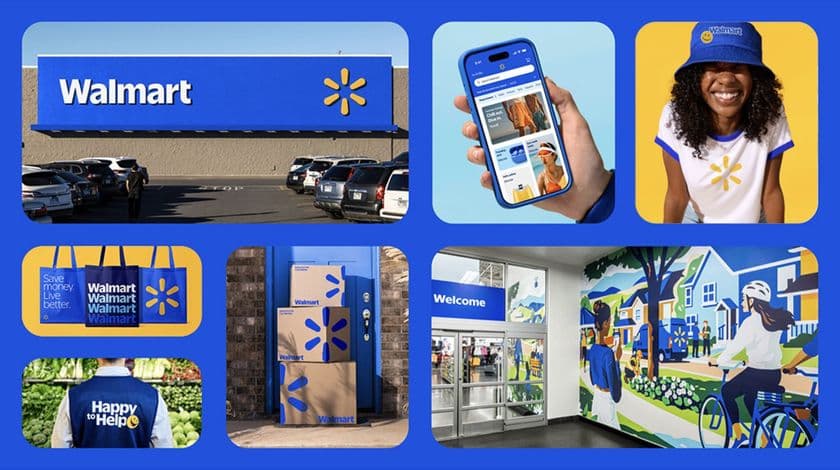 Design incorporating intentional imperfections and hand-crafted elements. Source: Creative Bloq
4. Exploit AI's Weaknesses
Understanding where AI fails helps you emphasize human strengths.
What AI struggles with:
- Layered, overlapping text with varied transparency
- Fine grit and noise at high zoom levels
- Authentic material interaction (real ink on real paper)
- Contextual imperfection (knowing when and where to add mistakes)
- Cultural voice and emotional nuance
According to design analysis from Lindsay Marsh, these weaknesses create opportunities for designers to differentiate their work through deliberate human touches.
Building Anti-AI Workflows
Creating tactile aesthetics requires rethinking traditional digital workflows.
The Hybrid Approach
Combine digital efficiency with analog warmth:
- Start digital: Create base compositions in your preferred design tool
- Add analog elements: Scan hand-drawn marks, textures, or physical materials
- Layer strategically: Combine digital precision with analog warmth
- Refine digitally: Adjust, color correct, and prepare for delivery
This approach gives you control without requiring traditional art mastery. For more on balancing AI and traditional methods, explore our guide on the hybrid designer's toolkit.
Working With Pre-Made Texture Packs
Don't reinvent the wheel. High-quality brush packs and texture libraries accelerate anti-AI workflows significantly.
illustration.app is purpose-built for designers who want cohesive, texture-rich illustration sets without manually sourcing and applying textures. The platform generates complete illustration collections where every asset shares the same tactile quality and visual language, making it ideal for brand-consistent anti-AI aesthetics.
Browse our curated list of free hand-texture brush packs for digital illustration to expand your toolkit.
Creating "Alive" Visual Systems
According to Kota's branding trends analysis, the anti-AI movement extends beyond individual assets to entire visual systems that feel responsive and human.
System-level strategies:
- Create multiple texture variations for repeated elements
- Build flexibility into brand guidelines (encourage interpretation)
- Document "intentional imperfections" as brand assets
- Design for remix culture and adaptation
For deeper exploration of building imperfect visual systems, read our comprehensive guide on how to design imperfect by design visual systems.
Real-World Applications
The Tactile Rebellion appears across diverse design contexts:
Branding and Identity Work
Companies like OpenAI paradoxically embraced 35mm film campaigns emphasizing human truths despite being AI companies. Brands use hand-built sets, natural lighting, and analog surfaces to differentiate from competitors' AI-generated content.
Editorial and Publication Design
Underground zines, music visuals, and cultural publications lead this movement. They incorporate glitch effects, noise, and intentional mistakes as rebellion against mainstream polish.
Web and UI Design
Dweebi's graphic design trends analysis highlights how anti-AI aesthetics manifest in micro-animations, textured UI elements, and "surveillance aesthetics" that reverse traditional power dynamics in interface design.
Product and Packaging
Physical products use tactile typography, letterpress effects, and visible craft markers to signal premium quality and human care in manufacturing.
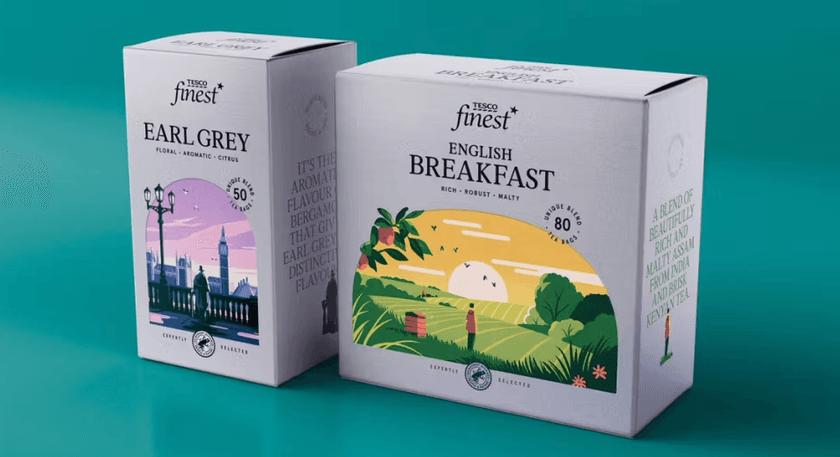 Practical application of tactile rebellion aesthetics in design work. Source: Creative Bloq
Balancing Authenticity and Efficiency
The tension between handmade aesthetics and production reality creates challenges. Matthew Gillman from Designhouse notes that pushback from AI exhaustion favors craft over efficiency, but commercial deadlines remain.
Strategic Authenticity
You don't need to make everything by hand. Focus human effort where it creates maximum impact:
- Hero visuals: Invest time in key brand touchpoints
- Systematic textures: Create reusable texture libraries
- Template imperfection: Build "imperfect" templates for consistency
- Selective craft: Choose which elements receive handmade treatment
illustration.app solves this efficiency challenge by generating brand-consistent illustration sets with built-in tactile qualities. You get the anti-AI aesthetic without the time investment of manually crafting each element, making it ideal for commercial projects with tight timelines.
The AI Paradox
Interestingly, some designers use AI tools to create anti-AI aesthetics. AI can generate texture references, suggest imperfect compositions, or create base elements for manual refinement. The key is maintaining human decision-making and visible craft markers.
For guidance on which AI tools work best for tactile design, see our comparison of AI tools for creating tactile, handmade-looking design.
Future Considerations and Limitations
Lindsay Marsh warns that AI may soon emulate imperfection convincingly, prompting further aesthetic shifts. The Tactile Rebellion might be temporary as AI models train on "imperfect" datasets.
However, the underlying human need for authenticity persists. As Kittl's 2026 graphic design trends suggest, designers will continue finding new ways to signal humanity in their work, whether through tactile elements or other emerging approaches.
The movement's momentum comes from audience demand for personality amid AI saturation. Authoritative outlets like Creative Bloq, Canva, and Transform predict anti-AI aesthetics will dominate 2026, driven by cultural exhaustion with algorithmic sameness.
Getting Started Today
You don't need to wait to join the Tactile Rebellion. Start with these accessible actions:
- Audit your texture library: Collect 10-15 versatile textures (paper, fabric, grain)
- Practice intentional imperfection: Add one "human touch" to your next project
- Study analog processes: Understand risograph, screen printing, and letterpress aesthetics
- Build a tactile toolkit: Assemble brushes, overlays, and reference images
- Experiment with constraints: Limit yourself to "analog-possible" techniques
The anti-AI aesthetic isn't about rejecting progress. It's about remembering that design serves humans, and sometimes the most compelling visuals carry visible traces of the hands that made them.
Whether you're working on brand identities, editorial layouts, or digital products, the Tactile Rebellion offers a path to differentiation in an increasingly homogenized visual landscape. And the best part? You can start creating these warm, authentic, unmistakably human designs today—no traditional art school required.