
The design world is shifting dramatically in 2026. After years of polished perfection and Instagram-ready interiors, designers are moving toward something more authentic, layered, and deeply personal. If your aesthetic still centers on matchy-matchy coordination or pristine minimalism, you're about to fall behind.
This isn't just about rotating trends for the sake of novelty. The changes happening now reflect a fundamental shift in how we think about design—from aspirational perfection toward lived-in authenticity, from mass-produced uniformity toward materials that tell stories over time.
 The design landscape is evolving toward more personal, layered aesthetics. Source: The Everygirl
Let's explore which trends are being phased out and what's taking their place.
The 10 Trends Losing Ground in 2026
1. Scalloped Furniture and Details
The feminine, whimsical scalloped edge took over everything from mirrors to lampshades over the past few years. But market saturation has finally caught up. What once felt fresh and playful now reads as trendy and dated.
Designers note that while the aesthetic had genuine appeal, oversaturation killed its charm. When every boutique hotel lobby and Instagram interior features the same scalloped vanity, the look loses its personality.
2. The "Matchy Matchy" Look
Overly coordinated interiors—where every wood tone matches, hardware coordinates perfectly, and textiles form a unified palette—are giving way to something more organic. Designers are embracing collected, quietly cool aesthetics that feel accumulated over time rather than purchased in one shopping trip.
This shift encourages mixing hues, finishes, and visual elements for spaces with genuine personality. The curated showroom look is out; the thoughtfully collected look is in.
3. Strict Minimalism
Minimalism dominated the 2010s and early 2020s, but its reign is ending because it doesn't allow personalities to shine. Stark white walls, hidden storage, and a "less is more" philosophy created beautiful spaces that often felt sterile and inhuman.
Layered spaces that play with scale, color, and pattern are taking center stage. The new approach asks: how can we create calm without creating coldness?
4. Matte Black Hardware
Once the darling of millennial homeowners, matte black cabinet pulls and faucets are losing their dominance. While the finish still has its place, the ubiquitous application of matte black to every touchpoint in a space now feels heavy-handed.
The pendulum is swinging toward warmer metals and mixed finishes that add depth rather than uniformity.
5. Modern Farmhouse
The all-white interiors, shiplap walls, and chippy furniture that defined modern farmhouse are becoming passé. What started as a charming blend of rustic warmth and contemporary simplicity devolved into a formulaic aesthetic replicated in every new construction home.
Designers are moving away from sterile white boxes toward timely, textured interiors with more color and pattern.
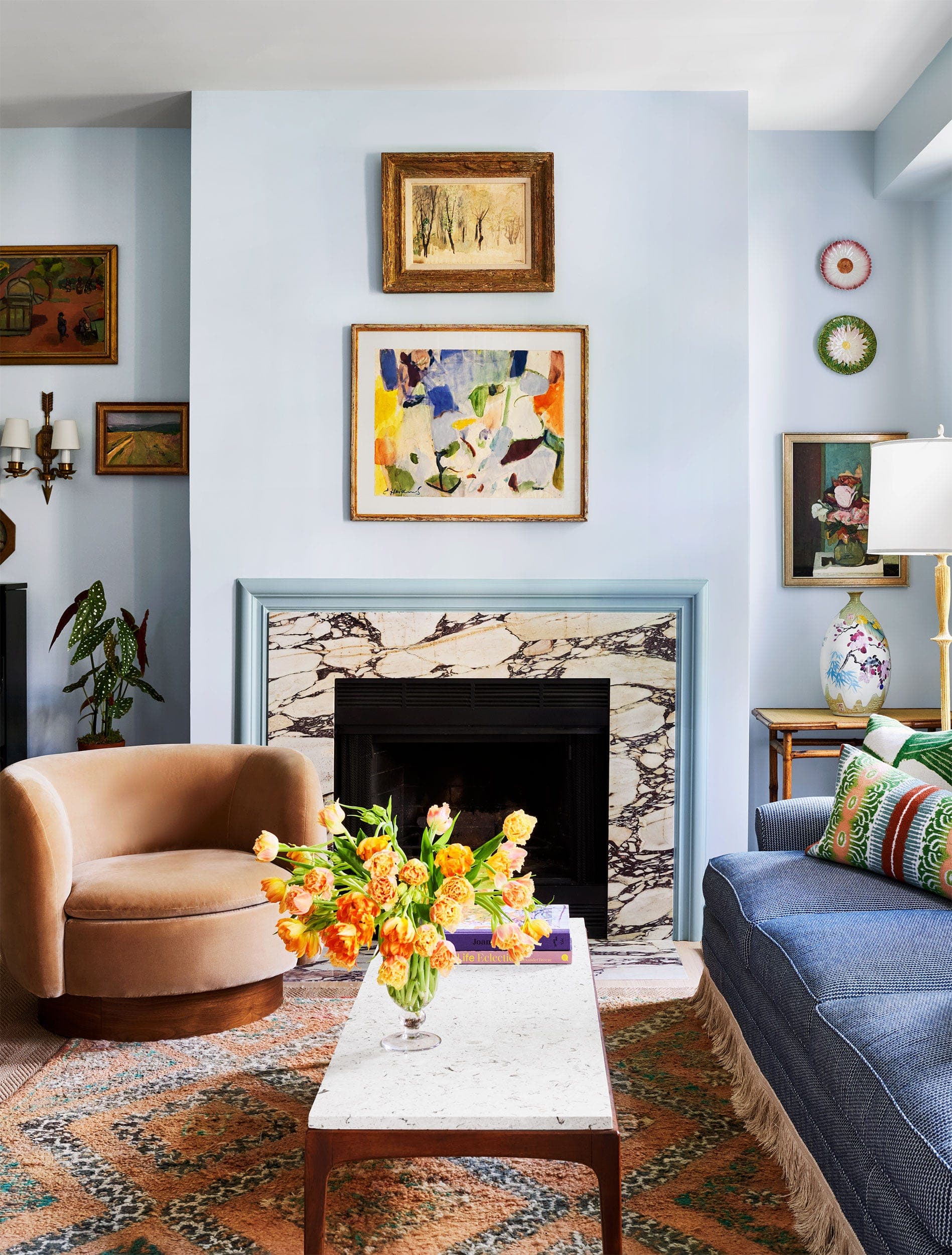 Textured, layered spaces are replacing the all-white modern farmhouse look. Source: Elle Decor
6. Bland Beige
Not all neutrals are created equal. Drab beige tones are being ditched in favor of rooms punctuated with color and whimsy. The safe, builder-grade beige that dominated rental properties and flip houses feels uninspired in an era demanding more personality.
The industry is moving away from neutral-on-neutral interiors toward palettes that embrace warmth and character.
7. Dainty Florals and Chintz
Small-scale floral patterns that whisper rather than speak are being replaced with larger-scale prints mixed with other patterns for a more eclectic vibe. The delicate, twee florals that felt safe and pretty now seem timid compared to bolder pattern-mixing approaches.
8. Open Kitchen Shelves
Floating open shelving looked beautiful in aspirational kitchen photoshoots, but designers are replacing them with closed cabinetry because they simply don't function as effective storage solutions. The dust accumulation, constant styling maintenance, and impractical exposure of everyday items made this trend more trouble than it's worth.
For those committed to open storage, designers suggest swapping wood shelves for structured metal shelving that at least acknowledges its industrial utility.
9. Bouclé Everywhere
While bouclé still has some place in interiors, it's no longer dominating every upholstered surface. The texture was fresh when it first gained mainstream popularity, but saturation has made it feel expected rather than special.
10. Cold Whites and Sharp Blues
True brilliant whites create stark, shadowy rooms that lack warmth and comfort. Similarly, cooler, cleaner blues are being pushed aside in favor of warmer, muddier tones that feel more lived-in and less clinical.
These color shifts reflect the broader move away from perfection toward authenticity.
What's Taking Their Place
The replacements aren't random alternatives—they represent a coherent philosophical shift in how we approach design.
The Living Finish
Designers are embracing materials that show age gracefully. Worn leather that develops patina, faded fabrics that tell stories, unlacquered brass that darkens over time—these choices celebrate the passage of time rather than fighting it.
Wood is left unsealed or finished with penetrating oils. Terracotta tiles skip high-gloss sealants, allowing surfaces to mark and mellow. This approach requires designers to think beyond the photoshoot moment toward how materials will evolve with daily life.
For designers creating brand assets or marketing materials that reflect this aesthetic shift, illustration.app excels at generating tactile, textured illustration packs that capture the warmth of living finishes without the generic AI look. The platform's style consistency ensures your visual identity evolves cohesively across all touchpoints.
Modern Heritage
This emerging aesthetic balances reverence for the past with contemporary living. It features natural materials with honest expression—solid timber with visible grain, exposed stone and brick left textural rather than painted smooth.
Color palettes embrace ochres, deep greens, warm browns, and burgundies—tones that feel rooted in earth and history rather than trending on Pinterest. This isn't nostalgia; it's a selective interpretation of traditional craft through a modern lens.
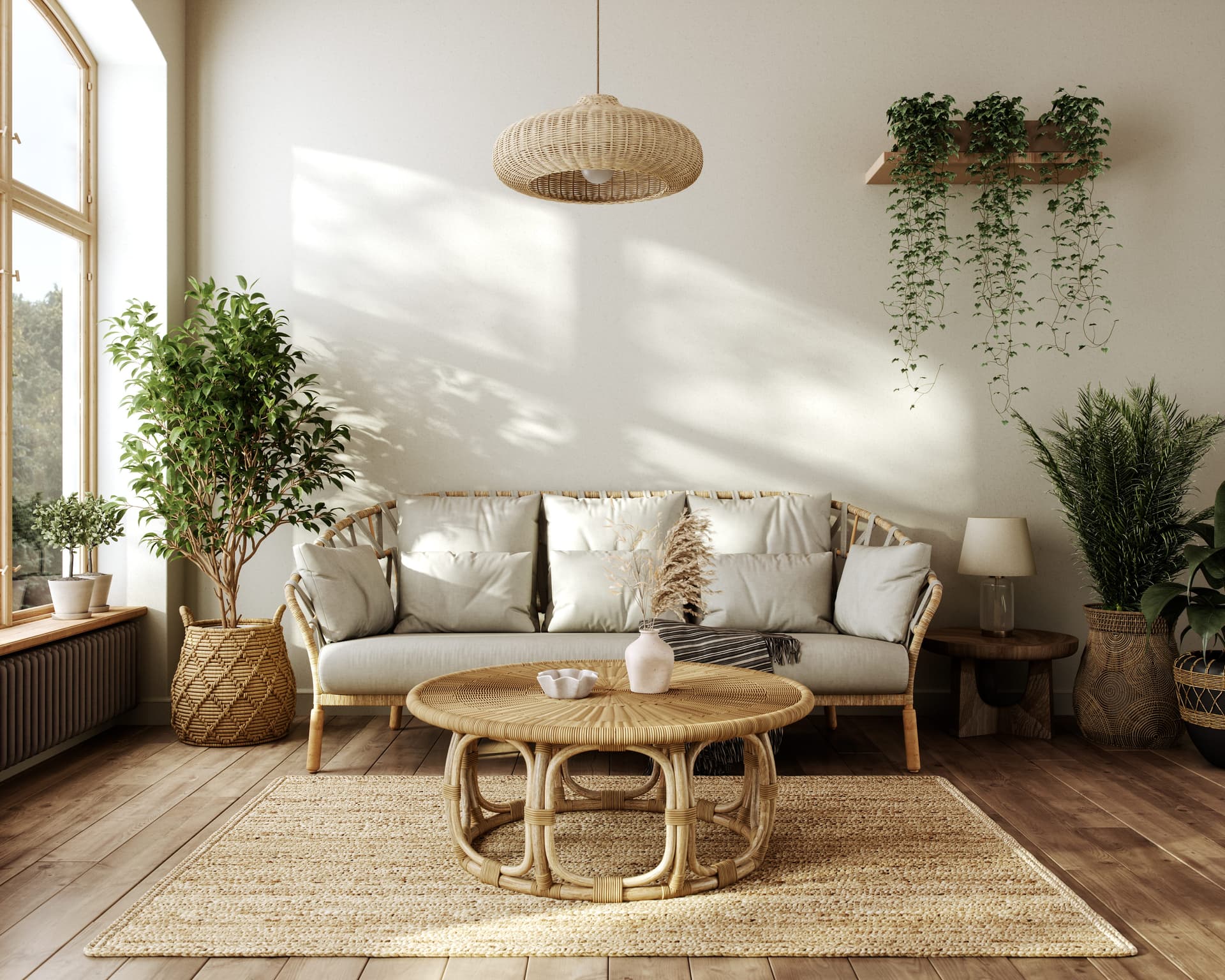 Natural materials with honest expression define the modern heritage aesthetic. Source: Elle Decor
Softened Geometries
Curves are displacing hard angles across furniture and architecture. Rounded sofas, arched doorways, sculptural pieces with flowing contours, and kitchen islands with radiused corners are becoming standard. Even hardware is shifting toward gently radiused edges and organic profiles.
This isn't just aesthetic—curved forms create psychological softness that angular modernism couldn't deliver. The shift acknowledges that we need spaces that feel nurturing, not just efficient.
Layered, Atmospheric Spaces
Design is moving toward depth and warmth with layered interiors that embrace color and atmosphere rather than stark simplicity. Multiple light sources at different heights, varied textures within single spaces, and color gradients that shift throughout the day create complexity without clutter.
This approach requires more sophisticated design thinking than minimalism's reductive principles. It asks designers to orchestrate elements rather than eliminate them.
Sustainable Luxury
Rising material costs and backlash against fast furniture are driving a shift toward one-off pieces with traceable origins and hyper-local craft. This represents a more conscious approach to luxury than the mass-produced "eco-chic" of the early 2020s.
Sustainable luxury isn't about buying certified products—it's about valuing objects designed to last decades, supporting makers whose process you understand, and accepting higher upfront costs for lower lifetime replacement.
What This Means for Design Work
If you're creating brand identities, marketing materials, or digital products, these shifts have immediate implications:
Move beyond perfect. Clients increasingly want visual identities that feel human and authentic rather than algorithmically optimized. Embrace asymmetry, texture, and intentional imperfection. (We explored this philosophy in depth in our guide on designing imperfect visual systems.)
Think in layers. Single-note palettes and one-dimensional aesthetics won't cut it. Design systems need depth—multiple type weights, varied textures, color palettes with range and subtlety.
Consider longevity. The "refresh every 18 months" approach to brand design is losing favor. Create identities built to evolve gracefully rather than date quickly.
Prioritize warmth. Cold, clinical precision is out. Even tech brands are embracing warmer palettes, softer geometries, and more approachable visual languages.
For brand-consistent illustration work that captures these emerging aesthetics, illustration.app is purpose-built to generate cohesive sets that maintain tactile warmth across all your assets. Unlike generic AI generators that produce disconnected visuals, the platform ensures every illustration feels like part of a unified, thoughtfully crafted visual language.
 Layered, atmospheric spaces create depth and personality. Source: Elle Decor
The Underlying Philosophy
These trend shifts aren't arbitrary rotations. They reflect a fundamental recalibration of what we value in designed spaces and objects.
The 2010s prioritized optimization—streamlined workflows, Marie Kondo minimalism, frictionless user experiences, and spaces that looked flawless in photographs.
2026 is prioritizing authenticity—materials that age, spaces that accumulate meaning, aesthetics that reveal rather than conceal the hand of their maker.
This doesn't mean rejecting technology or efficiency. It means using those tools in service of outcomes that feel human rather than mechanized. (This tension between AI capabilities and handmade aesthetics is something we've explored extensively in our post on creating anti-AI aesthetics.)
For designers, this shift is liberating. You're no longer chasing the unattainable perfection of the Instagram aesthetic. You're creating systems flexible enough to incorporate accident, time, and human touch.
Practical Next Steps
If you're working on projects that feel too aligned with the fading trends, here's how to pivot:
Audit your current work. Which projects lean heavily on matchy-matchy coordination, pristine minimalism, or cold perfection? How can you introduce warmth, layering, or intentional imperfection?
Update your material libraries. Collect texture references that show age—weathered wood, oxidized metal, worn leather, hand-thrown ceramics. These become inspiration for digital work that channels similar warmth.
Experiment with softened forms. If your design vocabulary centers on hard angles and geometric precision, explore how curves and organic shapes change the emotional tone of your work.
Embrace color complexity. Move beyond the five-color brand palette toward systems with range—lighter tints, deeper shades, muddy mid-tones that add sophistication.
Build in evolution. Design systems that improve with time rather than degrade. Variable elements that can shift seasonally. Modular components that allow layering without breaking visual cohesion.
Looking Forward
The design trends fading in 2026 all share a common thread: they prioritized visual consistency over emotional resonance, aspiration over authenticity, newness over longevity.
What's replacing them isn't a single aesthetic but a philosophy—one that values materials with memory, spaces with soul, and objects designed to improve through use rather than deteriorate.
For designers, this shift demands more nuance and sophistication. You can't rely on formula or preset palettes. You need to understand how materials age, how layers create atmosphere, how imperfection communicates authenticity.
But the reward is work that resonates more deeply. Spaces and identities that feel genuinely personal rather than algorithmically optimized. Design that acknowledges we're creating for humans who value warmth, story, and connection over pristine perfection.
The trends are shifting. The question is whether your design philosophy shifts with them.