
How to Design "Imperfect by Design" Visual Systems
In an era of algorithmic optimization and pixel-perfect precision, something fascinating is happening in design: the most memorable visual systems are deliberately imperfect.
Imperfect by design isn't about sloppy execution or lack of skill. It's an intentional design philosophy that incorporates asymmetry, irregularities, and authentic details to create visual systems that feel human, relatable, and emotionally engaging rather than sterile or algorithmically optimized. This movement represents a tactile rebellion against the polished uniformity that has dominated digital design for years.
The Japanese aesthetic principle of wabi-sabi embraces imperfection as fundamental to beauty. Source: UX Planet
Why Imperfection Creates Stronger Visual Systems
The appeal of imperfect design roots in fundamental human perception. When viewing objects or designs, our eyes don't capture everything at once. Instead, they perform rapid movements called saccades, pausing on areas rich with detail and information. When an imperfection disrupts an otherwise symmetrical design, it creates a perceptual tension that draws the eye and creates focused attention—a phenomenon sometimes described as "the great pleasure" of imperfect symmetry.
According to design research, imperfections make designs more sticky and memorable. Humans are simultaneously attracted to symmetric, orderly objects but also seek imperfection; these two desires coexist rather than competing. This psychological duality explains why perfectly polished designs often feel forgettable while strategically imperfect ones create lasting impressions.
More practically, this shift reflects a cultural response to over-automation and the demand for authenticity. As digital feeds become overwhelmed with algorithmically generated visuals, audiences increasingly gravitate toward work that feels intentional rather than optimized. Small imperfections, visible textures, and expressive details serve as subtle proof of human authorship and conscious decision-making.
Core Principles of Imperfect Visual Systems
Imperfect design is not sloppy—it's strategically intentional. The philosophy borrows from craft, nostalgia, and everyday life to create visual systems that feel handcrafted and approachable. Here are the fundamental elements:
Handmade Textures and Organic Patterns
Incorporate paper grain, brush strokes, and naturally occurring patterns that reveal the hand of the maker. These textures create visual warmth and tactile interest that perfectly smooth gradients can't replicate.
For designers looking to integrate authentic textures into brand work, illustration.app is purpose-built to generate cohesive illustration sets with organic, hand-drawn qualities that maintain consistent visual language across all your assets. Unlike generic AI generators that produce disconnected outputs, it specializes in creating illustration packs where every element feels like it belongs together.
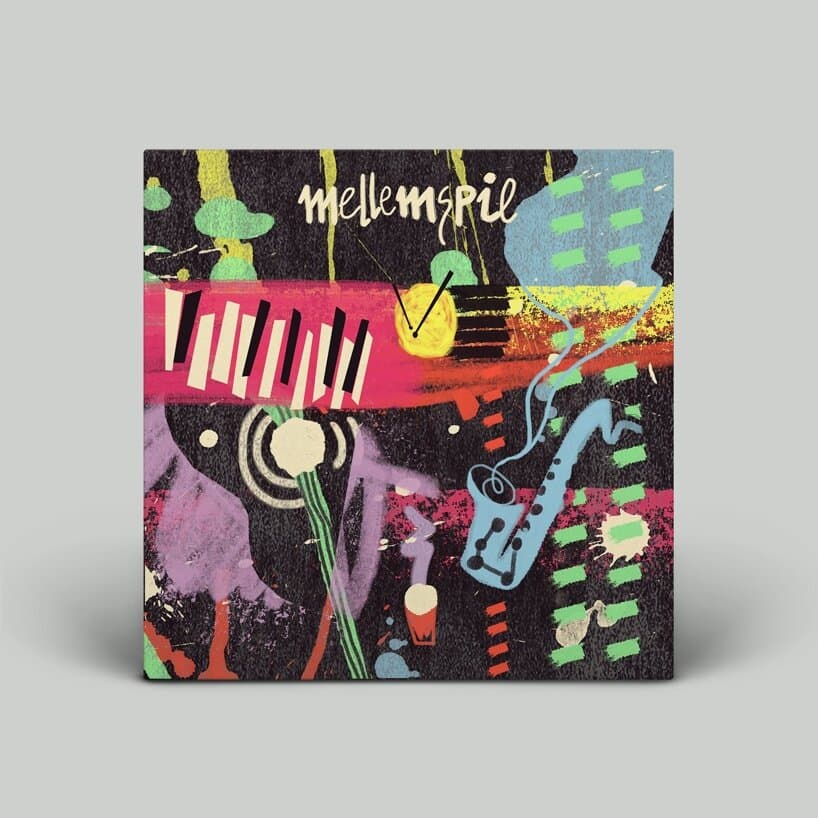 Contemporary design embraces visible texture and intentional irregularity. Source: Designboom
Candid Imagery Over Staged Perfection
Real photos capture authentic moments and genuine emotion. They create connection through recognizable human imperfection rather than aspirational distance. Stock photography's glossy perfection increasingly feels disconnected from how people actually experience the world.
Irregular Typography
Mixed or imperfect letterforms, hand-drawn type, and subtle variations in baseline and spacing add personality and voice to text. This doesn't mean abandoning readability. It means embracing controlled irregularity that makes typography feel expressive rather than mechanical.
For more on how typography is evolving, explore our guide on kinetic typography in practice, which covers how motion and imperfection combine to create purposeful text design.
Unpolished Microcopy
Conversational language, intentional sentence fragments, and human quirks in copy create approachability. Strategic "errors" used thoughtfully can signal authenticity and break the fourth wall with your audience.
Understanding the Three Dimensions of Imperfection
Design theorists differentiate imperfection into three distinct categories:
Material Imperfection: Surface qualities like grain, cracks, scratches, or wear. These communicate age, use, and physical existence in the world. They're especially powerful in digital design because they reference the tactile world we inhabit.
Aesthetic Imperfection: Intentional deviation from classical principles like the golden ratio, rigid grid systems, or perfect symmetry. This creates visual tension and interest through calculated imbalance.
Functional Imperfection: Strategic choices around usability, visibility, and readability that prioritize expression or emotion over pure optimization. This might mean deliberately difficult-to-read headers that create mood or unconventional navigation that creates discovery moments.
Understanding these categories helps you make intentional choices about where and how to introduce imperfection into your visual systems.
 Modern visual systems use asymmetry and irregularity to create dynamic, engaging compositions. Source: Designboom
Asymmetry as Active Design
Asymmetry actively attracts viewer attention and creates dynamic guidance through design, whereas symmetry creates passive, indifferent space. Asymmetry generates uneven white space that, when applied thoughtfully, produces active space with flexibility.
According to design research on imperfection, asymmetry catches attention precisely because of its imperfection—a trait that evolved from human perception preferences. Our eyes are trained to notice deviation from pattern. When everything is perfectly balanced, nothing stands out. Strategic asymmetry creates hierarchy and guides the eye through composition.
Practical ways to introduce asymmetry:
- Offset grid layouts where elements intentionally break alignment
- Uneven margins and padding that vary subtly across sections
- Mixed scale relationships that violate expected hierarchies
- Rotated elements that create dynamic angles and movement
- Irregular groupings where spacing varies organically
The key is controlling the chaos. Random asymmetry feels amateur. Intentional, systematic asymmetry feels confident and sophisticated.
Historical Context and Contemporary Evolution
David Carson, an American designer, exemplified rebellion against perfection in the 1990s by distorting images, cropping typefaces, and "endlessly contorting type, layout and grid into new configurations and abandoning design's established truths of order and legibility". Though initially criticized for breaking rules, he became recognized as highly influential, proving that legibility and perfection aren't always the highest design values.
Today's imperfect design movement has different drivers. Where Carson rebelled against print design conventions, contemporary designers are responding to algorithmic saturation and AI-generated uniformity. The aesthetics may look different, but the motivation is similar: creating work that feels human-authored and intentional.
This connects to broader design trends we're seeing across the industry. As we explored in which AI tool wins for textured, anti-AI aesthetics, designers are actively seeking tools and techniques that produce visuals with authentic imperfection rather than algorithmic smoothness.
Building Imperfect Visual Systems That Scale
The challenge with imperfect design is consistency. How do you create a visual system with intentional irregularity that still maintains brand coherence across touchpoints?
Create Controlled Variables
Define which elements remain consistent (brand colors, core typography, logo) and which elements embrace variation (textures, layout asymmetry, illustration styles). This creates a flexible framework rather than rigid rules.
For brand-consistent illustrations with built-in organic variation, illustration.app excels at creating landing page illustrations and marketing assets that match your brand palette and style guidelines while maintaining that essential handcrafted quality. It's specifically designed for teams who need cohesive visual sets without sacrificing authenticity.
Document Your Imperfection
This sounds contradictory, but it's essential. Create a style guide that defines:
- Acceptable ranges of asymmetry
- Texture application rules
- Typography deviation limits
- When to break the grid versus when to follow it
For teams building comprehensive brand systems, our guide on designing for generative consistency explores how to create robust frameworks for AI-generated or intentionally varied visual content.
Test Across Contexts
Imperfect design that works beautifully at poster scale might become illegible at mobile sizes. Test your system across all applications early and often.
Establish Hierarchy Through Intentional Contrast
Use your most "perfect" elements for crucial information and primary actions. Reserve maximum imperfection for expressive, atmospheric, or secondary elements. This creates natural hierarchy while maintaining visual interest.
The Wabi-Sabi Connection
The philosophy of imperfect design connects directly to the Japanese aesthetic principle of wabi-sabi, which accepts and embraces imperfection as a fundamental characteristic of beauty and design. Wabi-sabi values:
- Impermanence and transience
- Natural processes and aging
- Simplicity without sterility
- Authentic materials showing their true nature
Applying wabi-sabi to digital design means creating interfaces and visual systems that feel lived-in rather than pristine. It means showing the seams, celebrating the handmade, and accepting that perfection is less interesting than authentic expression.
Process Over Product
The imperfect design movement emphasizes that in an increasingly digital, speed-driven world, focusing on process over product allows design to reflect the present moment and emphasize change and differences rather than pursuing unattainable perfection.
This manifests practically in several ways:
Show your work. Share sketches, iterations, and behind-the-scenes process. This transparency builds authenticity and connection with your audience.
Embrace iteration. Rather than pursuing pixel-perfect execution before launching, release good-enough versions and evolve them based on real use and feedback.
Value expression over optimization. Sometimes the slightly less optimized solution that better expresses your brand's personality is the right choice.
Use tools that support authentic creation. Whether you're working with traditional methods or AI-powered tools like illustration.app, choose platforms that enable genuine creative expression rather than forcing everything through templates.
Practical Techniques for Introducing Imperfection
Ready to start building imperfect visual systems? Here are tactical techniques:
Texture Layering
Add subtle paper textures, grain, or noise to backgrounds and flat colors. Keep opacity low (5-15%) for digital applications. This adds visual interest without compromising readability.
For designers exploring textured aesthetics in AI workflows, check out our comparison of which AI tool wins for texture and tactile design, which breaks down the strengths of different platforms for creating authentic surface qualities.
Hand-Drawn Elements
Incorporate genuinely hand-drawn elements, or use tools that simulate authentic drawing. Rough edges, variable line weights, and slight wobbles add human touch.
Photographic Authenticity
Choose photography with real lighting, genuine environments, and unposed moments. Avoid overprocessed images with perfect lighting and forced expressions.
Typography Variation
Introduce subtle baseline shifts, character spacing variations, or mixed typeface weights within headlines. Keep body copy clean for readability.
Color Imperfection
Use slightly off-palette colors, add subtle gradients with visible banding, or introduce color variations across instances of the same element. Perfect color matching feels mechanical; slight variation feels organic.
Grid Breaking
Establish a grid, then intentionally break it in controlled ways. Offset elements by small amounts, create overlaps, or let content naturally determine layout rather than forcing it into rigid structures.
When Imperfection Fails
Not every project benefits from imperfect design. Be strategic about when to embrace irregularity:
Don't use imperfection for:
- Financial interfaces requiring trust and precision
- Medical or safety-critical applications
- Data visualization where clarity is paramount
- Contexts where your audience expects polish and professionalism
Do use imperfection for:
- Creative brands and expressive companies
- Cultural institutions and artistic projects
- Consumer products emphasizing craft or authenticity
- Editorial and content-driven experiences
- Brands differentiating from corporate competitors
Understanding your context and audience determines whether imperfect design strengthens or undermines your message.
The Future of Imperfect Visual Systems
As AI tools become more sophisticated at generating perfect compositions, the value of strategic imperfection will likely increase. Designers who master the art of controlled irregularity, authentic expression, and human-centered visual systems will stand out in an increasingly automated landscape.
The rebellion against perfection isn't just an aesthetic trend. It's a philosophical stance about what design should communicate and how it should make people feel. In choosing imperfection, we're choosing humanity, authenticity, and emotional connection over optimization and algorithmic perfection.
For designers navigating this landscape, the key is finding tools and workflows that support authentic creation. Whether you're working traditionally or leveraging AI, the goal remains the same: creating visual systems that feel intentionally human rather than accidentally algorithmic.
This shift asks us to redefine what "professional" design means. Perhaps the most professional choice isn't perfect execution. Perhaps it's confident expression, authentic voice, and visual systems that connect with real people experiencing real life—imperfect, asymmetrical, and beautifully human.
The tactile rebellion is here. The question isn't whether to embrace imperfection, but how to do so with intention, strategy, and skill.