
Brand identities in 2026 aren't just about logos and color palettes anymore. They need to feel real. As digital-first brands compete for attention, texture has become the secret weapon that makes visuals feel touchable, authentic, and emotionally resonant. The best free texture packs simulate paper, fabric, grunge, and analog materials to give your brand work that crucial tactile quality.
 Folded paper textures from Pixel Surplus add realistic 3D tactility to mockups and packaging design
Whether you're designing logos, packaging mockups, or brand collateral, these texture packs help you build immersive identities that evoke touch-like sensations digitally. Let's explore the best free resources available right now.
Why Tactile Textures Matter for Brand Identity
Before diving into specific packs, it's worth understanding why texture has become so critical. In an era dominated by AI-generated visuals and over-polished aesthetics, authentic, handcrafted design stands out. Textures convey:
- Authenticity: Grunge, grain, and paper textures signal real-world materials rather than sterile digital perfection
- Emotion: Tactile surfaces create warmth and humanity that flat colors can't match
- Premium quality: High-res film grain and subtle noise add depth that elevates perceived value
- Brand storytelling: Vintage paper for heritage brands, distressed surfaces for streetwear, crisp folds for luxury
The "used" paper revival, heavy creases, yellowing, and distressed materials dominate 2026 trends, particularly for indie brands prioritizing authenticity over polish. This aligns perfectly with the broader movement toward anti-AI aesthetics and intentional imperfection.
Top Free Texture Packs from Behance
Behance hosts over 10,000 free texture pack projects, making it the go-to resource for designer-uploaded materials. These packs are community-sourced, proven by real project metrics, and ideal for creating tactile brand experiences in tools like Photoshop, Figma, or Illustrator.
Film Grain Textures 8K FREE PACK by Adi Ulitski
Popularity: 14k appreciations, 407k views
This pack delivers high-resolution 8K film grain overlays that add subtle noise and organic depth. Perfect for brands seeking that analog, filmic quality that signals premium craftsmanship. The grain creates a sense of authenticity without overwhelming your design.
Best for: Apparel branding, poster design, logo treatments for premium brands, product photography overlays
Why it works: Film grain bridges digital and analog worlds, making flat designs feel like they were captured on actual film. The 8K resolution means you can use these textures on large-format prints without pixelation.
Free Halftone Textures Pack by Züli
Popularity: 1.2k appreciations, 27k views
Halftone dot patterns in various densities create retro print effects that evoke newsprint and comic book aesthetics. This pack excels at adding tactile depth that references traditional printing processes.
Best for: Streetwear brands, indie music packaging, vintage-inspired identities, editorial design
Why it works: Halftone patterns are immediately recognizable as "printed" rather than digital, creating tactile associations with physical media. They're particularly effective for brands targeting younger audiences who appreciate retro aesthetics.
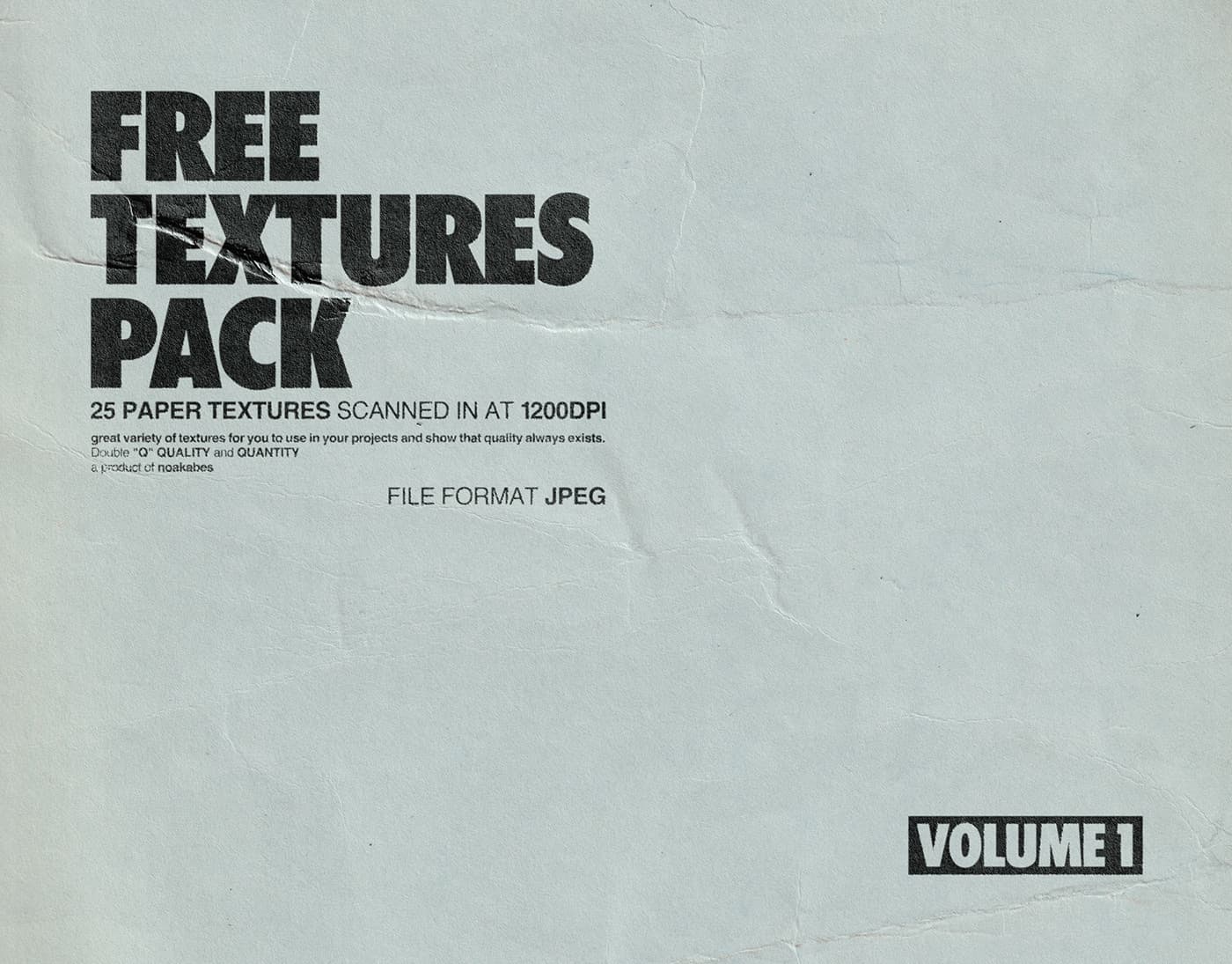 Free paper textures from Behance showcase the variety available for tactile branding
Grunge Paper Texture Pack [FREE] by Dazor
Popularity: 708 appreciations, 12k views
Distressed, worn paper with rips, stains, and weathering. This pack captures that authentic, handcrafted vibe that eco-brands and vintage identities need.
Best for: Organic food brands, craft beer labels, handmade product packaging, vintage logo mockups
Why it works: The imperfections tell a story of age and authenticity. When consumers see worn edges and stains, they associate your brand with real-world materials and honest craftsmanship. This directly counters the over-polished AI aesthetics that feel cold and generic.
Vintage Paper Textures + FREE SAMPLE by MiksKS
Popularity: 1.2k appreciations, 21k views
Aged, yellowed paper with natural creases and folds. This pack excels at building tactile nostalgia for heritage brands and bookish identities.
Best for: Literary brands, coffee packaging, historical museums, educational products, vintage rebrandings
Why it works: The yellowing and aging creates immediate associations with history, tradition, and timelessness. Perfect for brands that want to communicate longevity and trustworthiness.
Folded Paper Texture Pack (Free) by Julian Tejada
Popularity: 683 appreciations, 20k views
Realistic paper folds and crumples that simulate actual 3D tactility. These textures are essential for product packaging mockups where you need to show how materials would actually behave.
Best for: Product packaging design, stationery mockups, 3D brand applications, realistic presentations
Why it works: The shadows and highlights in folded paper create depth and dimension that flat designs lack. When used in mockups, they make your designs feel like tangible objects rather than screen-based concepts.
Free Analog Textures Pack by Züli
Popularity: 42 appreciations, 1.1k views
Scanned analog materials including tape marks, scratches, and physical artifacts. This pack is perfect for layering gritty, lo-fi elements into modern designs.
Best for: Music branding (especially hip-hop and electronic), urban fashion, underground culture brands
Why it works: Analog artifacts signal authenticity and human touch in a digital world. They're imperfect by nature, which makes designs feel more genuine and less corporate.
How to Use Texture Packs in Your Branding Workflow
Having great textures is only half the battle. Here's how to integrate them effectively:
1. Layer Textures Over Flat Designs
Start with your base design in Figma or Illustrator, then import textures as overlay layers. Adjust opacity (typically 5-30%) and experiment with blend modes like Multiply, Overlay, or Soft Light. The goal is subtle enhancement, not overwhelming grunge.
For quick brand-consistent illustrations with built-in texture support, illustration.app is purpose-built to generate cohesive sets that maintain the same visual language while incorporating organic texture elements. Unlike manually overlaying textures, illustration.app ensures every asset in your brand system shares the same tactile quality.
2. Match Texture to Brand Story
Not all textures fit all brands. Use:
- Film grain: Premium, artisanal, craft-focused brands
- Grunge/distressed: Vintage, streetwear, eco-conscious brands
- Clean paper folds: Modern luxury, stationery, minimalist brands
- Halftone: Retro, pop culture, youth-oriented brands
3. Export at Appropriate Resolution
Most Behance texture packs come in PSD or high-res PNG format. For print work, ensure you're working at 300 DPI minimum. For digital applications, 72-150 DPI works well while keeping file sizes manageable.
4. Combine with Other Anti-Perfectionism Elements
Textures work best when combined with other anti-perfectionism design resources like hand-drawn fonts, asymmetric layouts, and organic shapes. The goal is creating a cohesive aesthetic that feels intentionally human rather than randomly distressed.
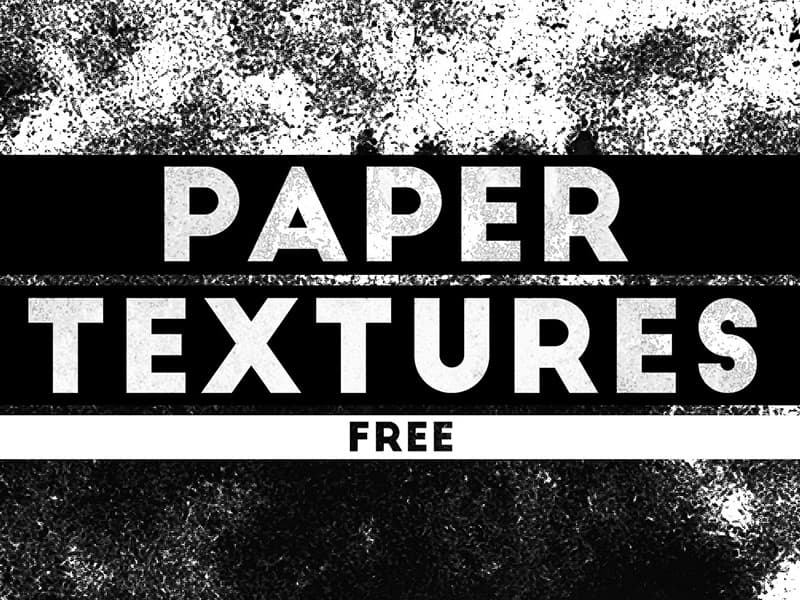 Various paper textures from PSD Repo showing the range of tactile effects possible
2026 Texture Trends: What's Dominating Tactile Branding
Industry trend reports for 2026 highlight several key movements:
The "Used" Paper Revival
Heavy creases, yellowing, and distressed papers dominate streetwear and indie brand work. This trend prioritizes authenticity over polish, directly responding to consumer fatigue with AI-generated perfection. Brands want to look like they exist in the physical world, not just on screens.
High-Res Realism for Digital Immersion
8K+ textures enable physically based rendering (PBR) effects in design software. When you simulate realistic bump maps and displacement, brand visuals can "feel" real even on screens. This creates stronger emotional connections than flat digital design.
Performance-Minimalist Hybrids
Some brands combine minimal shapes with subtle texture overlays, achieving clarity for low-resolution devices while maintaining tactile warmth. This balances modern performance needs with the emotional resonance of physical materials.
Grain as the New Standard
Film grain has moved from specialty effect to expected baseline. Brands without any grain or texture now feel sterile rather than clean. Even minimalist illustrations benefit from subtle noise that prevents the "too perfect" AI look.
Beyond Paper: Expanding Your Tactile Toolkit
While paper textures dominate free resources, consider exploring adjacent materials:
Fabric and Textile Textures
Canvas, linen, and woven materials add luxury associations. These work particularly well for fashion brands, interior design, and artisanal products. Free 3D asset libraries often include PBR fabric materials you can adapt for 2D design work.
Hand-Drawn Brush Marks
Free hand-texture brush packs complement paper textures by adding gestural marks and organic brushstrokes. These work beautifully for brands emphasizing craftsmanship and human touch.
Grainy Overlays for Anti-AI Design
Grainy texture overlays specifically target the over-smooth, AI-generic aesthetic. Adding strategic grain helps your work feel more authentic and less algorithmically generated.
Where to Find More Free Texture Resources
Beyond Behance, several platforms offer high-quality free textures:
Textures.com (formerly CGTextures)
Offers 15 free credits daily for downloading PBR-ready textures. While focused on 3D work, many materials adapt well to brand design, especially when you need realistic fabric, wood, or stone textures.
Unsplash Texture Collections
Photographers upload high-res texture photos that work beautifully as design overlays. Search for "paper texture," "grunge," or "concrete" to find brand-appropriate materials.
Creative Market Free Goods
Each week, Creative Market offers free design resources including texture packs. The quality varies, but premium designers often share sample packs worth downloading.
Pixel Surplus
Offers curated free folded paper textures and other design resources specifically for brand work. Their collections focus on commercial-use materials that work in professional contexts.
Creating Cohesive Textured Brand Systems
The biggest challenge with free texture packs is maintaining consistency across all brand touchpoints. You need textures that complement each other rather than creating visual chaos.
This is where illustration.app excels for brand-consistent illustrations. Rather than manually applying different textures to each asset and hoping they work together, illustration.app generates cohesive illustration sets where every element shares the same tactile quality. This ensures your landing pages, marketing materials, and product designs all feel like they belong to the same visual system.
Building Your Texture Library
Create a curated collection of 5-10 textures that work together:
- 2-3 paper textures (one clean, one distressed, one vintage)
- 1-2 grain overlays (subtle and dramatic versions)
- 1-2 specialty textures (halftone, analog artifacts, fabric)
Save these in a dedicated folder with consistent naming conventions. This makes it easy to apply the same tactile treatment across all brand materials.
Testing Texture Combinations
Before finalizing your texture choices, test them across multiple applications:
- Logo lockups on various backgrounds
- Social media graphics at different sizes
- Print mockups (business cards, packaging)
- Digital interfaces (website headers, app screenshots)
Textures that look great on packaging might overwhelm mobile interfaces. Finding the right balance ensures your tactile identity works everywhere.
Making Texture Work Without Traditional Skills
You don't need to be a traditional artist to create tactile, handmade aesthetics. Modern design tools make texture accessible to everyone:
- Figma plugins: Several plugins automate texture application and grain effects
- Photoshop Smart Objects: Save textured templates that automatically update when you change underlying designs
- Preset collections: Create saved effect combinations you can one-click apply across projects
The key is strategic application rather than technical expertise. Understanding where and why to use texture matters more than mastering complex techniques.
Conclusion: Building Brands That Feel Real
The best free texture packs give your brand work the tactile depth that digital-native designs often lack. From film grain overlays on Behance to grunge paper effects, these resources help you create identities that feel authentic, emotionally resonant, and touchable.
As we move deeper into 2026, the brands that succeed will be those that balance digital efficiency with human warmth. Texture is your shortcut to achieving that balance. Whether you're working on vintage rebrands, streetwear packaging, or premium product lines, the right textures transform flat designs into immersive brand experiences.
Start building your texture library today. Download a few packs from Behance, experiment with blend modes and opacity, and discover which materials best tell your brand's story. Your designs will immediately feel more grounded, authentic, and memorable. And when you need cohesive illustration sets that maintain consistent tactile quality across all touchpoints, tools like illustration.app ensure every asset works together seamlessly rather than fighting for visual attention.
The future of branding isn't perfectly smooth and algorithmically perfect. It's textured, tactile, and unmistakably human.