
The rise of AI design tools has brought an unexpected problem: brands are starting to look too perfect. Too smooth. Too generic. The same sterile, flawless aesthetics are appearing everywhere, creating what designers now call "AI-generic" syndrome—a homogenization that strips away personality and emotional connection.
The core issue? AI art often appears "too boring" due to remixed training data lacking originality. When every brand uses the same tools with similar prompts, visual fatigue sets in. Audiences scroll past these perfect, template-like designs without engaging because nothing feels authentic or memorable.
This 2026 trend demands a new approach: auditing your brand for over-polished AI aesthetics and deliberately injecting humanity back into the work. Here's your complete guide to identifying the problem and fixing it.
Why AI-Generic Aesthetics Are Killing Brand Connection
AI image generators train on massive datasets of existing design work. The result? They excel at creating technically proficient visuals that hit every aesthetic checkpoint—perfect symmetry, flawless gradients, magazine-quality lighting—but lack the quirks and imperfections that make design feel human.
Only 10% of designers measure AI impact systematically, which means most teams don't realize their brand has drifted into generic territory until engagement drops. The visual language becomes indistinguishable from competitors, and the emotional resonance that drives customer loyalty evaporates.
The backlash is real. In luxury, beauty, and lifestyle sectors especially, audiences are actively craving imperfection. They want to see the human behind the brand—the wrinkles, the asymmetry, the happy accidents that AI systematically removes.
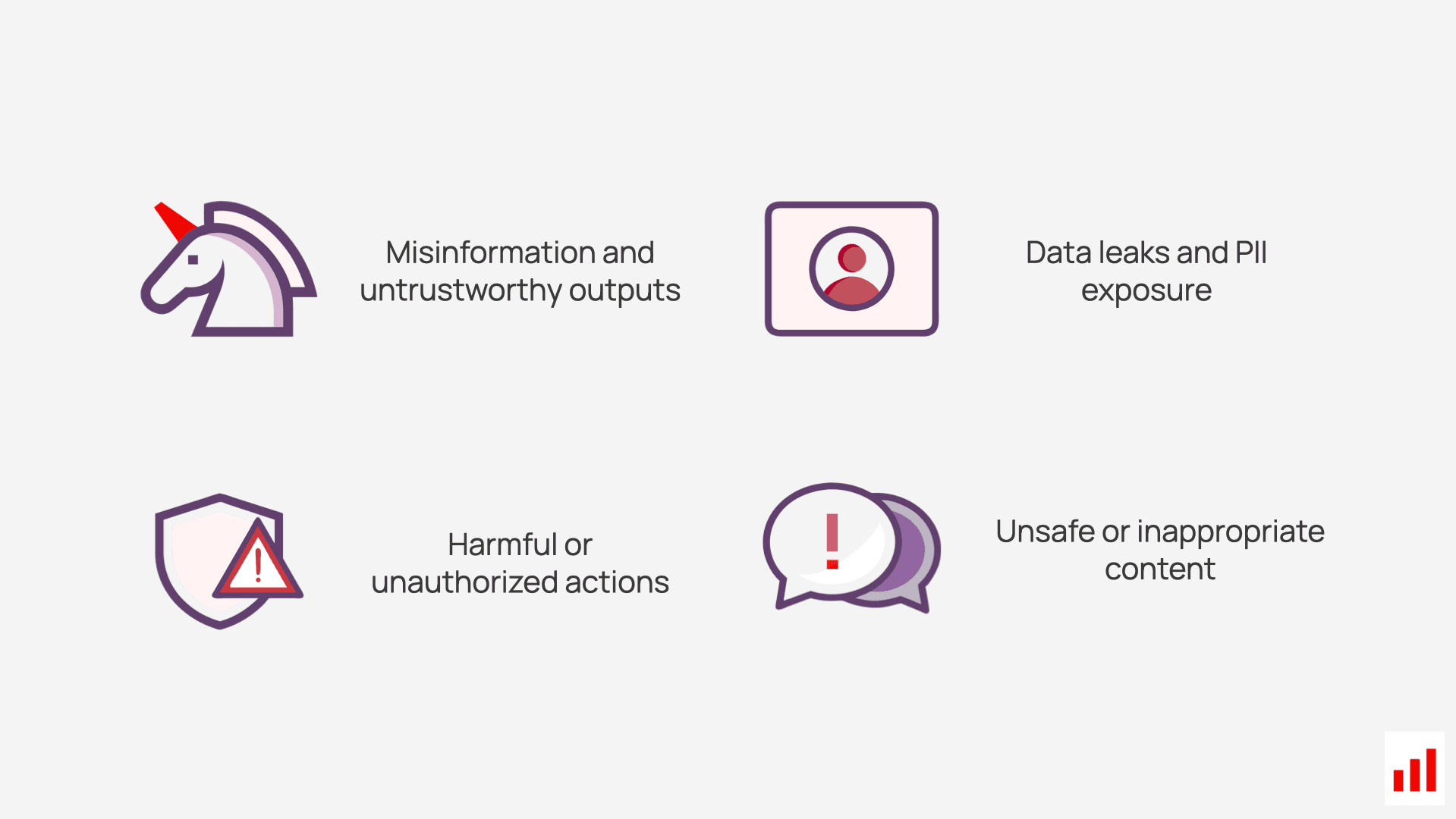 The risks of over-reliance on AI aesthetics. Source: EvidentlyAI
The Visual "Handmade" Test
Your first audit step is examining every customer-facing touchpoint for telltale signs of AI polish. Look at your website hero sections, social media graphics, email templates, and product packaging.
Red flags to watch for:
- Overly smooth graphics with perfect gradients and zero texture
- Impossible lighting that looks technically correct but emotionally cold
- Stock-like perfection where every element feels staged and polished
- Perfect symmetry without organic variation or intentional asymmetry
- Generic color palettes that match trending "aesthetic" boards too closely
Brands like Lazy Oaf use wonky lettering and childlike illustrations for organic feel, while True Botanicals mixes AI surrealism with hand-drawn collages for emotional depth and duality. These examples show how deliberate imperfection signals premium humanity.
How to Inject Handmade Markers
The fix isn't abandoning AI entirely. It's about adding human signatures that signal authenticity:
Immediate fixes:
- Add hand-drawn icons or scribbles to otherwise clean layouts
- Incorporate scanned textures like paper grain, fabric weaves, or painted backgrounds
- Use uneven layouts with intentional asymmetry instead of perfect grids
- Include raw behind-the-scenes content showing work-in-progress states
- Layer in analog elements like pencil sketches, watercolor washes, or ink splatters
For illustration work specifically, illustration.app is purpose-built to help maintain brand consistency while allowing for organic variation. Unlike generic AI generators that produce random results, it creates cohesive illustration sets where you can inject texture overlays and adjust imperfection levels while keeping your visual language intact.
Tools like texture overlays and brush packs can transform sterile AI outputs into tactile, memorable designs. The goal is making viewers wonder, "Did someone actually draw this?"
The Answer Engine Optimization (AEO) Reputation Check
Here's a test most brands haven't considered: Query AI search agents like ChatGPT, Perplexity, or Google's AI Overviews with "What is [Your Brand]'s reputation?" or "Tell me about [Your Brand]'s design approach."
Generic responses indicate weak distinction. If the AI can only provide surface-level information or mixes you up with competitors, your brand lacks the proprietary content that creates memorability.
Building AEO-Ready Proprietary Content
The fix requires creating content that AI can't replicate:
Original research and data:
- Conduct customer surveys with unique findings
- Publish original data visualizations about your industry
- Share proprietary processes or methodologies
- Document your design system evolution with case studies
Behind-the-scenes storytelling:
- Show how you make decisions (the messy, human parts)
- Share rejected concepts and why they didn't work
- Explain the philosophy behind design choices
- Highlight team members and their individual contributions
This content serves double duty: it helps AI agents understand your unique positioning while giving your audience the authentic connection they crave. For more on building recognizable brand identity, see our guide on building consistent brand identity with AI illustrations.
The Workflow and Consistency Audit
The healthiest AI integration follows a clear principle: AI handles repetitive tasks while humans control strategy, tone, and ethics.
Use this framework to audit your current workflow:
| AI-Appropriate Tasks | Human-Essential Tasks |
|---|---|
| Research competitor visuals | Strategic creative direction |
| Generate color variations | Brand positioning decisions |
| Create layout templates | Ethical considerations |
| Produce initial concepts | Nuanced storytelling |
| Scale repetitive assets | Quality control and curation |
This structure ensures AI enhances efficiency without homogenizing your output. When AI makes strategic decisions about tone, positioning, or emotional resonance, that's when generic aesthetics creep in.
Practical audit questions:
- Who decides if an AI-generated asset goes live?
- Do you have human review for brand alignment?
- Can you articulate what makes your visuals uniquely yours?
- Would your assets be recognizable without your logo?
For teams struggling with this balance, check out our hybrid designer's toolkit guide for detailed workflows.
Prioritizing Your Fixes
Not every touchpoint requires immediate attention. The recommendation is to immediately update high-traffic assets like homepages and address social media within 30 days.
Priority matrix:
Immediate (0-7 days):
- Homepage hero sections
- Primary landing pages
- Key product photography
- Email header templates
Short-term (8-30 days):
- Social media templates
- Blog graphics
- Secondary landing pages
- Presentation decks
Ongoing (30+ days):
- Archive content
- Internal documents
- Legacy marketing materials
For each priority level, assess both visibility (how many people see it) and impact (how much it affects brand perception). A rarely visited archive page with generic AI graphics matters less than your Instagram grid that thousands see daily.
 Physical texture techniques that inspire digital tactile design. Source: Dienamics
Industry-Specific Strategies
Different sectors face unique challenges with AI-generic aesthetics:
Beauty and Luxury Brands
The over-polished problem hits hardest here because customers expect premium humanity. AI enables alien-core trends with shimmery, impossible textures, but humans add wrinkles, pores, and tension for memorability.
Specific fixes:
- Show real skin textures in product photography
- Use editorial photography with visible film grain
- Incorporate hand-lettering for product names
- Mix digital renders with physical product shots
Tech and Startup Brands
Tech brands often lean too heavily on AI-generated illustration libraries, creating the startup aesthetic sameness problem where every SaaS company looks identical.
illustration.app excels at solving this specific problem. Instead of pulling from generic stock libraries, you can generate cohesive illustration sets that match your exact brand palette and style guidelines. This maintains visual consistency across your product while ensuring your assets don't look like every other tech company's.
E-commerce and Product Brands
Product photography is especially vulnerable to AI-generic syndrome when using AI background generators without adding human touches.
Specific fixes:
- Layer textured backgrounds behind clean product shots
- Add subtle imperfections to lighting and shadows
- Include lifestyle shots with real environments
- Use hand-drawn elements in packaging design
For deep dives on avoiding generic aesthetics in specific contexts, explore how to design anti-AI aesthetics without traditional skills.
Expert Perspectives on the Human-First Shift
Octane Design Studios emphasizes that 2026 demands intentional imperfection as luxury's new differentiator. The brands winning in this environment prioritize "soul" over perfection because content abundance makes connection rare.
The shift affects six-figure businesses and minority-owned enterprises especially. When you can't outspend competitors on production value, authenticity becomes your differentiator. Showing the human process—the sketch phase, the iteration, the decisions—builds trust that polished perfection can't match.
Studio1 Design and Venngage note that AI remixes patterns, homogenizing design. The recommendation: use AI for research and generating options, but let humans make final decisions about originality and judgment.
This isn't anti-AI sentiment. It's about understanding that AI excels at efficiency and options, while humans excel at curation, emotional resonance, and strategic positioning.
Measuring Success After Your Audit
Once you've implemented fixes, track these metrics:
Quantitative measures:
- Engagement rates on updated assets vs. old ones
- Time on page for redesigned landing pages
- Click-through rates on refreshed email templates
- Social media save/share rates
Qualitative measures:
- Customer comments mentioning your "unique style"
- Competitor comparisons (do you still look similar?)
- Internal team confidence in brand recognition
- AEO query results showing more specific, differentiated responses
Illustration.app's hybrid workflows preserve consistency while allowing measurement via brand scores and audience metrics. You can A/B test different levels of imperfection to find what resonates with your specific audience.
The Ongoing Practice
Auditing for AI-generic aesthetics isn't a one-time project. It's an ongoing practice as AI tools evolve and new aesthetic trends emerge.
Quarterly audit checklist:
✅ Review top 10 most-visited pages for generic patterns
✅ Query AI agents about your brand positioning
✅ Compare your visuals side-by-side with 3 competitors
✅ Survey customers about what makes your brand recognizable
✅ Assess new AI-generated assets for human markers before publishing
✅ Document what "authentically us" means for your brand
The goal isn't rejecting AI entirely. It's leveraging AI efficiency while ensuring human-led resonance prevents brand homogenization. When you get the balance right, you benefit from speed and scale without sacrificing the emotional connection that drives loyalty.
For teams building visual systems that balance consistency with humanity, explore designing imperfect by design visual systems for frameworks that embrace strategic irregularity.
Moving Forward
The over-polished AI aesthetic represents a genuine threat to brand differentiation, but it's also an opportunity. Brands that recognize the problem early and deliberately inject humanity will stand out in increasingly homogenized digital spaces.
Start with the visual handmade test. Examine your highest-traffic assets today. If they could belong to any brand in your industry, you've identified the problem. The fixes—texture overlays, hand-drawn elements, behind-the-scenes content, and strategic imperfection—aren't complicated. They just require intentionality.
Authority and humanity drive success in 2026. Content abundance makes connection rare. Your brand audit should optimize for memorability and emotional resonance, not just technical perfection. That's how you survive the AI-generic epidemic.