
The design world is experiencing a dramatic shift away from sterile minimalism. Dopamine-driven color palettes are taking over in 2025-2026, bringing vibrant, saturated hues back to digital interfaces, brand identities, and physical spaces. But there's a critical challenge: how do you create palettes that spark joy and motivation while ensuring everyone can actually use them?
This comprehensive guide explores the science behind dopamine colors, practical workflows for building mood-boosting palettes, and essential accessibility strategies to make your designs both delightful and inclusive.
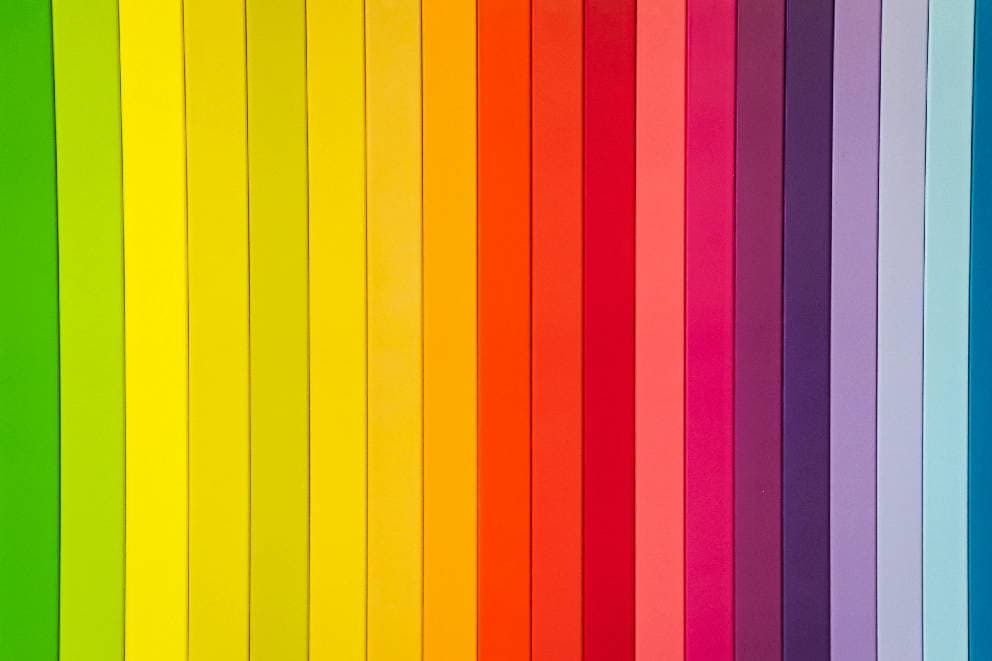
 Example of a dopamine-driven color palette featuring energizing yellows, oranges, and vibrant blues. Source: BEHR
Understanding Dopamine Colors and Their Psychological Impact
Dopamine colors aren't just aesthetically bold. They're scientifically linked to brain reward centers, triggering physiological responses that generate feelings of pleasure, excitement, and motivation. According to psychologist Lee Chambers, bold colors activate reward pathways and can evoke nostalgia, creating emotional connections that neutral minimalism simply can't match.
The trend emerged as a direct reaction to post-minimalism fatigue. After years of instability and muted palettes, designers and consumers are gravitating toward emotional proximity through vibrant color, texture, and pattern. This isn't superficial; it's an adaptive wellbeing strategy.
Core Dopamine Color Families
The most effective dopamine palettes center on these scientifically mood-boosting hues:
Yellow (#FFD700, #FFECB3): Sparks optimism and creativity. Golden yellows create warmth and energy without overwhelming. Wix's research on dopamine colors identifies yellow as essential for triggering feelings of happiness.
Orange (#FFA726, #FF9800): Blends happiness with high energy for enthusiasm. Mid-tone oranges like #FF9800 provide vibrancy while maintaining better contrast ratios than pure neons.
Red: Bold and exhilarating, commanding attention instantly. Use strategically for calls-to-action and focal points.
Vibrant Blue: Energizing yet calming. Electric blues provide dopamine hits while offering more versatile pairing options than warmer hues.
Green (#66BB6A, #81C784): Promotes balance and motivation. Mid-saturation greens bridge natural calm with energizing freshness.
Accent Pops: Hot pinks, fiery oranges, golden yellows. These mood-boosting accent colors deliver maximum emotional impact when used sparingly.
This palette philosophy directly counters the AI-generic uniformity that's dominated recent design. For more on combating sterile aesthetics, explore how to audit your brand for AI-generated blandness.
Building Dopamine Palettes: A Step-by-Step Design Process
Creating effective dopamine palettes requires balancing emotional impact with visual harmony. Here's a proven workflow:
1. Select Core Hues Based on Psychology and Audience
Start by identifying which vibrant colors align with your project's emotional goals and target demographics.
For youth-oriented brands: Neon greens, vivid purples, and hot pinks create playful energy.
For professional contexts: Subtler pops of golden yellow or saturated teal maintain sophistication while adding warmth.
For personal spaces: Choose colors tied to individual joy rather than strict design rules. Personal resonance outperforms coordination every time.
When building brand-consistent illustration sets with dopamine colors, illustration.app excels at generating cohesive visual assets that maintain your specific color palette across every element. Unlike generic AI generators that produce inconsistent results, illustration.app is purpose-built to create illustration packs where vibrant yellows, oranges, and blues feel unified across landing pages, marketing materials, and product interfaces.
2. Apply Color Theory for Visual Harmony
Even vibrant palettes need structure. Use these proven frameworks:
Analogous schemes: Adjacent hues on the color wheel (like yellow-orange-red) create smooth, energizing gradients.
Triadic schemes: Evenly spaced colors (like yellow-blue-red) deliver dynamic contrast while maintaining balance.
Complementary schemes: Opposite hues create maximum visual tension. Pair vibrant orange with deep blue for electric impact.
The 60-30-10 rule: 60% dominant color, 30% secondary, 10% accent. This foundational ratio prevents palette overwhelm even with saturated hues.
3. Incorporate Neutrals and Visual Rhythm
Dopamine colors need breathing room. Anchor vibrant hues with grays or whites to prevent sensory overload. These "perceptual anchors" allow the eye to rest between high-energy elements.
Create visual rhythm by repeating patterns and forms. This establishes flow that guides attention without exhausting viewers.
 Real-world application of dopamine colors in interior design, demonstrating how vibrant hues create energizing spaces. Source: OKNOPLAST
4. Add Multisensory Layers
The most effective dopamine experiences go beyond pure color. Consider pairing palettes with:
Tactile textures: Velvet, chrome, rough paper grain. Cross-modal design amplifies emotional response.
Light play: How colors shift under different lighting conditions affects mood dramatically.
Motion: Animated transitions between dopamine hues create dynamic brand experiences. Learn more in our guide on motion-first brand identities.
5. Test for Emotional Dynamics
Balance highs with lows. Use vibrant accents for calls-to-action and focal points, while maintaining calmer backgrounds for sustained reading or interaction. This strategic distribution creates emotional narrative without overwhelming users.
Ensuring Accessibility in Dopamine-Driven Designs
Here's the challenge: vibrant, saturated colors often create contrast ratio problems. A dopamine palette that excludes users with visual impairments isn't worth building. Here's how to maintain both joy and inclusivity:
WCAG Contrast Requirements
Minimum ratios: 4.5:1 for normal text, 3:1 for large text (18pt+), 3:1 for UI components. Test every color combination using WebAIM's contrast checker.
Pairing strategy: Bright accent colors like yellow (#FFD700) work beautifully when paired with dark neutrals. Never place vibrant yellows directly on white backgrounds for body text.
Real-world example: A golden yellow CTA button (#FFD700) on a deep navy (#1A237E) achieves 7:1 contrast while maintaining energizing dopamine impact.
Saturation Control for Color Blindness
Pure neons fail accessibility on multiple levels. Instead:
Choose mid-tones: #FF9800 orange provides vibrant energy while offering better differentiation for color-blind users than #FF6600.
Test with simulators: Use tools like Coblis Color Blindness Simulator to verify your palette works across protanopia, deuteranopia, and tritanopia.
Avoid pure reliance on color: Pair dopamine hues with icons, patterns, or text labels to ensure information isn't conveyed by color alone.
For accessible maximalist design that maintains visual energy, see our guide on creating vibrant, chaotic design that everyone can use.
Audience-Adaptive Palettes
One size doesn't fit all cognitive needs:
For sensory-sensitive audiences: Use softer pastels or limit palettes to 3-5 hues. Dopamine impact doesn't require maximum saturation.
For high-stimulation contexts: Full-spectrum palettes with 6+ vibrant hues create intentional energy.
Proximity and scale: Larger, well-spaced elements reduce cognitive load even with bold colors.
When building accessible color systems, illustration.app's brand-consistent generation ensures your dopamine palette maintains the same accessible contrast ratios across every illustration. This eliminates the common problem of AI tools generating inconsistent color relationships that fail WCAG standards unpredictably.
 Dopamine decor demonstrates how vibrant colors combine with patterns and textures for multisensory impact. Source: Vocal Media
Practical Dopamine Palette Frameworks
Here are three proven palette types with built-in accessibility:
Energetic Action Palette
Colors: Yellow #FFD700, Orange #FF9800 Accessibility tip: Overlay dark text at 7:1 ratio minimum Best for: CTAs, conversion-focused branding, energizing landing pages Reference: Wix's dopamine color research
Balanced Experience Palette
Colors: Green #66BB6A, vibrant blue variants Accessibility tip: Use 60% neutral base to prevent overwhelm Best for: Interior design, productivity apps, wellness brands Reference: Domus dopamine decor analysis
Playful Expression Palette
Colors: Hot pink, purple neons Accessibility tip: Soften saturation to 70-80% for extended viewing Best for: Youth-oriented graphics, festival branding, creative portfolios Reference: Dunn Edwards on dopamine design
2025-2026 Dopamine Color Trends
The dopamine movement is accelerating across industries:
Dopamine decor surge: 2026 sees color's dramatic return in interiors as an adaptive wellbeing strategy. This intersects with fashion's "more is more" Comfortcore philosophy.
Mood-driven branding: 2025 palettes intentionally trigger dopamine and serotonin for emotionally resonant brand identities. Color choices are becoming neurologically informed rather than purely aesthetic.
Miniature experiential design: Vibrant color mixes in small spaces create concentrated emotional responses.
Expert consensus: Neuroscience confirms visual stimuli activate reward areas. Psychologist Lee Chambers and industry forecasters like Van Dyke's predict continued momentum for bold hues through fall 2026.
For more on color trends shaping 2025, explore AI-assisted color palettes from algorithm to artistry and mood-responsive palette tools.
Tools for Building Accessible Dopamine Palettes
Creating these palettes efficiently requires the right toolkit:
Contrast checkers: WebAIM, Stark (Figma plugin), or built-in browser DevTools verify WCAG compliance in real-time.
Color blindness simulators: Coblis or Figma plugins like Color Blind test palette effectiveness across vision types.
Palette generators: Tools like Coolors or Adobe Color help build harmonious schemes, but remember to manually verify accessibility.
For brand-consistent illustration generation: illustration.app is specifically designed for creating cohesive dopamine-colored illustration sets that maintain your exact palette specifications. Unlike generic AI tools that drift between generations, illustration.app ensures every asset from landing pages to social graphics shares the same vibrant, accessible color relationships. This is critical for maintaining brand recognition while leveraging mood-boosting color psychology.
For texture-rich dopamine aesthetics, consider pairing vibrant colors with tactile design elements from our guides on free tactile texture packs and grain overlays.
Conclusion: Joy Meets Inclusion
Dopamine-driven color palettes represent more than aesthetic rebellion against minimalism. They're scientifically grounded mood-boosting tools that prioritize emotional wellbeing in design. But this power comes with responsibility.
The most successful dopamine palettes in 2025-2026 balance three elements: neurologically effective vibrancy, harmonious color theory, and uncompromising accessibility. By pairing golden yellows with proper contrast ratios, choosing mid-tone oranges over pure neons, and testing across color blindness simulators, you create experiences that energize everyone.
Remember: personal resonance outperforms rigid rules. Choose dopamine colors that genuinely spark joy for your audience, then apply accessibility frameworks to ensure that joy reaches every user. The result is design that feels alive, human, and genuinely inclusive—exactly what the post-minimalist moment demands.
Start building your dopamine palette today by selecting 2-3 core vibrant hues, anchoring them with neutrals, and rigorously testing contrast ratios. The combination of mood-boosting color psychology and accessibility-first design isn't just good practice. It's the future of emotionally resonant, universally usable visual experiences.