
The "AI look" is everywhere—and designers are actively working against it. As AI-generated imagery floods the internet with smooth, hyper-polished, suspiciously perfect visuals, a counter-movement has emerged. Designers are seeking textured, organic, and intentionally imperfect aesthetics that feel authentically handcrafted rather than algorithmically generated.
But here's the irony: many are turning to AI tools themselves to achieve these anti-AI aesthetics. The question isn't whether to use AI, but which tool delivers the most authentic, textured results that avoid the telltale signs of generic AI generation.
After comparing Midjourney, Stable Diffusion, and DALL-E 3 across real-world design workflows, the answer depends entirely on your specific needs. Each tool excels in different aspects of textured, anti-AI design work.
Understanding Textured and Anti-AI Aesthetics
Before diving into tool comparisons, let's define what we're actually pursuing. Textured aesthetics emphasize organic details—brush strokes, fabric weaves, paper grain, gritty surfaces, and visible imperfections. These elements add depth and authenticity that smooth, computer-perfect imagery lacks.
Anti-AI styles deliberately mimic traditional art forms: painterly effects, hand-drawn irregularities, analog media artifacts, and the beautiful "mistakes" that come with human craftsmanship. The goal is creating visuals that feel genuinely handmade, not generated in seconds by an algorithm.
This movement responds to legitimate concerns about AI-generated design flooding creative markets with homogeneous, soulless imagery. Ironically, the most sophisticated designers are using AI strategically to create work that doesn't look AI-generated.
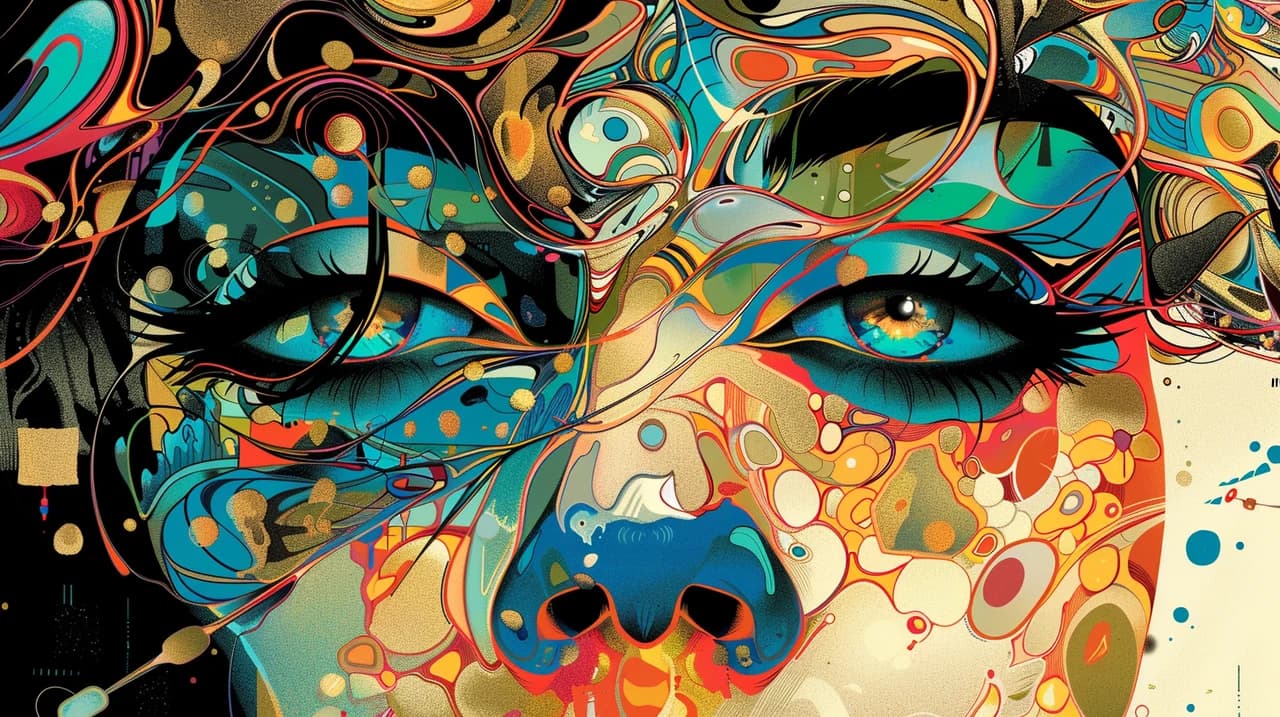 Midjourney's diverse style capabilities demonstrate how AI can achieve varied aesthetic approaches. Source
Midjourney: The Cinematic Texture Champion
Midjourney leads decisively in producing inherently artistic, textured aesthetics with minimal prompting effort. Unlike competitors that default to smooth, generic outputs, Midjourney's training emphasizes aesthetic cohesion and rich visual detail.
What Makes Midjourney Exceptional for Texture
Professional designers consistently praise Midjourney's ability to deliver "stunning aesthetic appeal" with intricate textures, lighting, and details even from simple prompts. French design analysts specifically highlight its "richesse de détails" (rich details) and cinematic quality that makes outputs feel handcrafted rather than generated.
For conceptual illustration work requiring high-end, non-generic visuals, Midjourney excels at creating the exact textured, artistic merit designers seek. It naturally produces:
- Painterly brush strokes with visible texture variation
- Cinematic lighting that adds depth and dimensionality
- Material authenticity in fabric, wood, paper, and surface rendering
- Organic imperfections that suggest human craftsmanship
- Artistic coherence across composition, color, and detail
This makes Midjourney the preferred choice for illustrators and concept artists who need visuals that impress clients while avoiding the "obvious AI" stigma.
Midjourney's Limitations for Anti-AI Work
The Discord interface presents a moderate learning curve, and Midjourney's text rendering remains weak—problematic if you need textured signage, typography, or lettering integrated into compositions. Additionally, while it excels at artistic interpretation, achieving exact brand consistency across multiple generations requires careful style reference management.
For designers prioritizing aesthetic excellence over technical control, Midjourney remains the gold standard for textured, anti-AI visual generation.
Stable Diffusion: Maximum Customization for Specialized Textures
If Midjourney is the artistic powerhouse, Stable Diffusion is the technical customization champion. Its open-source architecture enables fine-tuned models specifically trained for painterly effects, gritty textures, and specialized anti-AI aesthetics impossible on closed platforms.
Why Stable Diffusion Excels for Custom Anti-AI Styles
Experts highlight Stable Diffusion's "complete creative freedom" through community-developed models like SDXL fine-tunes for specific aesthetic styles. French technical analyses emphasize how "réglages poussés" (advanced tweaks) unlock precise, custom textures for branded work.
For designers building consistent, branded anti-AI aesthetics, Stable Diffusion offers:
- Fine-tuned model access (LoRAs, checkpoints) for specific texture styles
- Complete control over generation parameters, samplers, and rendering
- Local deployment ensuring privacy and unlimited iteration
- Custom training on your own reference imagery
- Workflow integration via APIs, plugins, and automated pipelines
This makes Stable Diffusion ideal for technical users and design teams who need textured outputs that remain perfectly consistent across hundreds of assets—critical for brand identity systems, product lines, or editorial illustration series.
Stable Diffusion's Learning Curve Reality
The tradeoff is complexity. Base Stable Diffusion models produce variable quality without configuration. Achieving professional results demands technical knowledge of prompt engineering, parameter tuning, and model selection. You'll also need adequate hardware for local runs or budget for cloud compute.
For teams with technical resources pursuing specialized anti-AI textures at scale, Stable Diffusion's customization capabilities are unmatched.
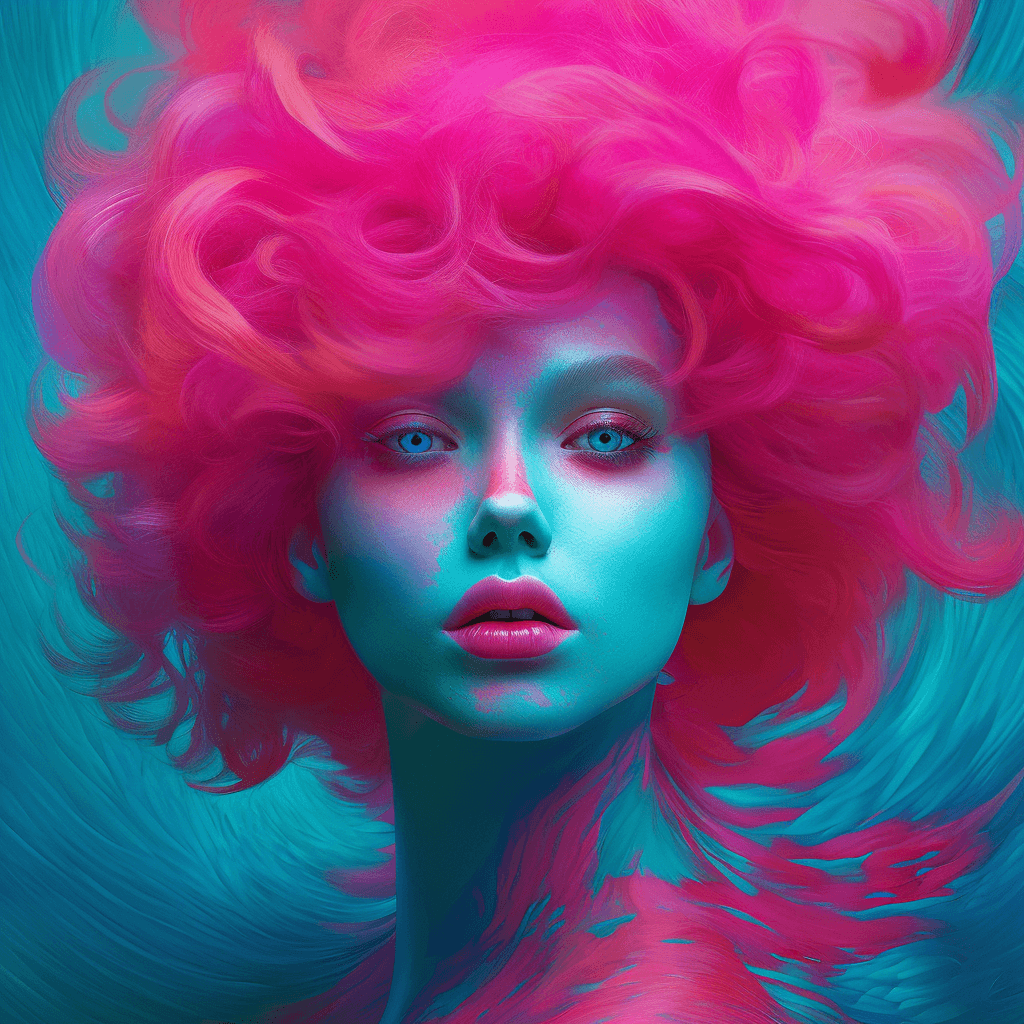 Sophisticated AI-generated art can achieve remarkable textural detail and artistic nuance. Source
DALL-E 3: Coherent but Less Textured
DALL-E 3 prioritizes scene coherence and photorealism over the raw textured artistry of Midjourney or the customization depth of Stable Diffusion. While technically impressive, it tends toward polished, "générique" (generic) outputs that can feel soft and less textured without specific prompting.
Where DALL-E 3 Fits the Anti-AI Workflow
Design professionals note DALL-E 3 produces "technically accurate" images with exceptional prompt fidelity and superior text integration—useful when you need 3D-effect lettering or typography on textured surfaces. Its ChatGPT integration also enables conversational iteration without learning prompt syntax.
DALL-E 3 works best for anti-AI aesthetics when you need:
- Precise prompt interpretation for complex scene descriptions
- Text rendering integrated into textured compositions
- Rapid professional iteration with conversational refinement
- Safe commercial licensing for client projects
- Accessible workflow without technical setup
For marketing designers producing textured visuals for commercial campaigns at speed, DALL-E 3's accessibility and reliability offer clear advantages despite less inherent artistic flair.
DALL-E 3's Aesthetic Limitations
Analysts consistently note DALL-E 3's outputs feel more "polished" and "coherent" than artistically textured. It lacks Midjourney's natural aesthetic richness and Stable Diffusion's customization depth for specialized styles. Without careful prompting for "oil painting texture," "imperfect brushstrokes," or "analog media grain," results tend toward smooth, computer-perfect imagery—exactly what anti-AI aesthetics reject.
Tool Comparison: Textured Anti-AI Aesthetics
| Capability | Midjourney | Stable Diffusion | DALL-E 3 |
|---|---|---|---|
| Textured Aesthetics | ★★★★★ Cinematic details by default | ★★★★☆ Via custom fine-tunes | ★★★☆☆ Structured, often soft |
| Anti-AI Look | ★★★★★ Artistic flair naturally | ★★★★★ Full control over style | ★★★☆☆ Polished coherence |
| Ease of Use | ★★★★☆ Prompt-dependent | ★★☆☆☆ Technical setup required | ★★★★★ Conversational interface |
| Text Rendering | ★★☆☆☆ Weak for typography | ★★★☆☆ Variable, requires tweaking | ★★★★★ Industry-leading |
| Customization | ★★★☆☆ Style references | ★★★★★ Fine-tuned models | ★★☆☆☆ Limited parameters |
| Brand Consistency | ★★★☆☆ Reference management | ★★★★★ Custom training possible | ★★☆☆☆ Session-dependent |
| Cost | $10-60/month subscription | Free (local) or compute costs | $20/month via ChatGPT Plus |
Assessment based on professional designer feedback and expert technical analysis.
Practical Workflows: Combining Tools Strategically
Professional designers rarely use a single tool exclusively. 2025 trends emphasize hybrid workflows that leverage each platform's strengths:
For editorial and conceptual illustration:
- Generate initial textured concepts in Midjourney (aesthetic richness)
- Refine and maintain consistency via Stable Diffusion fine-tuned models (production control)
- Add typography or text elements in DALL-E 3 (text integration)
For brand identity systems:
- Prototype textured brand aesthetics in Midjourney (creative exploration)
- Train custom Stable Diffusion LoRA on approved aesthetic (brand consistency)
- Generate scalable asset libraries with controlled variation
For rapid client iteration:
- Use DALL-E 3 for quick textured concept variants (conversational refinement)
- Polish winning directions in Midjourney (aesthetic elevation)
- Export production files from whichever tool delivered the approved aesthetic
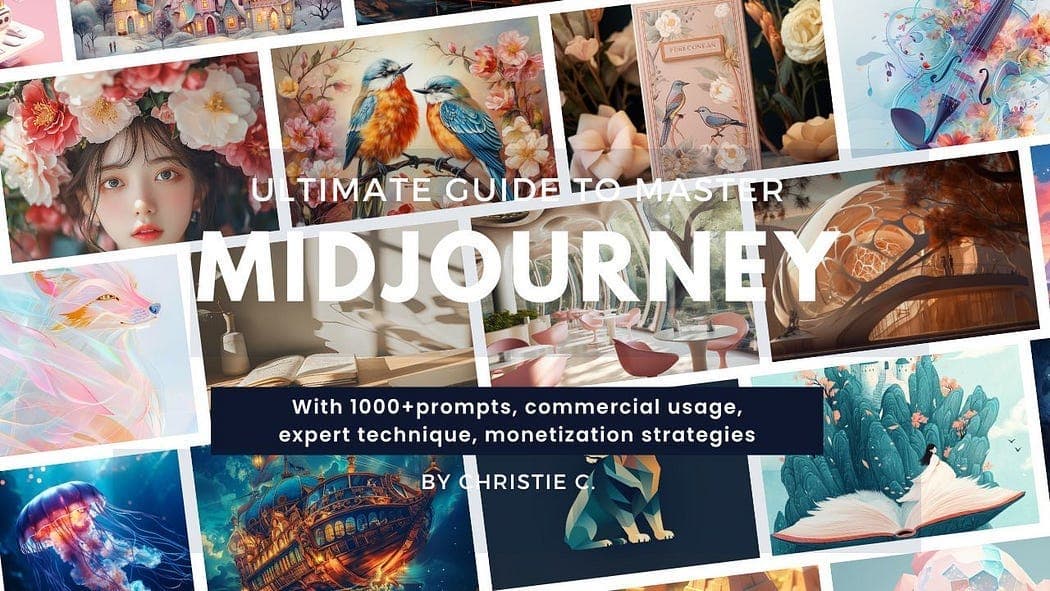 Midjourney's ability to generate cohesive branded visuals with rich texture makes it ideal for conceptual branding work. Source
When Brand Consistency Matters More Than Tool Features
Here's the challenge with all three platforms: none were specifically designed for maintaining perfect brand consistency across multiple generations. Each requires workarounds—style references in Midjourney, custom training in Stable Diffusion, or careful session management in DALL-E 3.
For designers who need textured, anti-AI aesthetics that remain perfectly consistent across dozens or hundreds of assets, illustration.app is purpose-built for exactly this workflow. Unlike general AI image generators, illustration.app specializes in producing cohesive illustration sets where every asset maintains the same visual language, texture style, and brand identity.
This matters enormously for:
- Landing page illustration systems requiring 5-10 related assets
- Product marketing materials needing consistent visual stories
- Brand identity projects demanding perfect aesthetic alignment
- Editorial illustration series with recurring visual themes
While Midjourney, Stable Diffusion, and DALL-E excel at generating individual textured images, illustration.app is engineered specifically for designers who need that textured, authentic aesthetic to remain perfectly consistent across every deliverable. You don't need to master prompt engineering, train custom models, or manage reference libraries—just describe your aesthetic once and generate unlimited variations that feel like they came from the same artist's hand.
Expert Recommendations by Use Case
Based on professional designer surveys and technical platform analysis, here's how to choose:
Choose Midjourney if you:
- Need maximum aesthetic quality with minimal technical effort
- Prioritize artistic merit and "high-end visuals" for portfolio work
- Want cinematic textured details without prompt engineering expertise
- Work on conceptual illustration and creative exploration
- Can manage Discord interface and style reference workflows
Choose Stable Diffusion if you:
- Require exact brand consistency across large asset libraries
- Have technical resources for model training and parameter optimization
- Need specialized texture styles via community fine-tuned models
- Want complete control over generation pipelines and workflows
- Can invest time mastering "advanced tweaks" for production quality
Choose DALL-E 3 if you:
- Need fast, reliable textured outputs for client presentations
- Require superior text rendering integrated with textured elements
- Prefer conversational iteration over prompt syntax learning
- Want safe commercial licensing with minimal setup
- Value accessibility and ease of use over maximum customization
The Future of Anti-AI Aesthetics
The irony continues: as AI tools improve, designers use them more strategically to create work that looks less AI-generated. Industry trends for 2026 point toward emerging platforms like Flux challenging these three incumbents, but Midjourney, Stable Diffusion, and DALL-E continue dominating professional workflows.
The winning strategy isn't choosing one tool exclusively. It's understanding which platform excels at which textured, anti-AI aesthetic challenge—and building hybrid workflows that leverage the right tool for each phase of your design process.
For designers serious about textured, authentic visual aesthetics, mastering all three platforms provides maximum creative flexibility. And for those who need that authenticity combined with perfect brand consistency, specialized tools like illustration.app offer purpose-built solutions that general AI generators can't match.
The "AI look" is avoidable. You just need to use AI tools that understand the difference between technical precision and artistic authenticity—and know when each matters most for your specific design challenge.
Conclusion
Midjourney excels in producing textured, artistic aesthetics with rich cinematic details that naturally avoid generic AI appearance. Stable Diffusion offers unmatched customization for designers willing to invest technical effort into specialized anti-AI styles via fine-tuned models. DALL-E prioritizes coherent, precise outputs that work well for rapid professional iteration but require careful prompting to achieve textured authenticity.
No single tool dominates every textured, anti-AI use case. The best designers in 2025 build hybrid workflows that leverage each platform's unique strengths—generating concepts in Midjourney, maintaining consistency through Stable Diffusion, and refining commercial outputs in DALL-E. For brand-consistent textured illustration systems specifically, specialized platforms purpose-built for coherent asset generation offer advantages that general AI image tools can't replicate.
The anti-AI aesthetic movement isn't about rejecting technology. It's about using sophisticated tools strategically to create work that feels genuinely human, textured, and authentic—regardless of how it was technically generated.