
How to Audit Your Brand for Over-Sanitized AI Uniformity and Add Human Marks
As AI-powered content generation becomes standard practice, a dangerous pattern is emerging across industries. Brands are starting to sound and look eerily similar—polite, balanced, optimized, and safe, but also generic, repetitive, and emotionally sterile. This isn't about whether AI is good or bad. It's about recognizing when automation has flattened your brand into something interchangeable with every competitor.
This phenomenon has a name in design and branding circles: over-sanitized AI uniformity. It's the result of brands relying too heavily on AI for web copy, social posts, product descriptions, customer support, and even design systems. The output is consistent, yes. But it's also bland, forgettable, and devoid of the subtle signals that make a brand feel authored rather than assembled.
The antidote? Human marks. These are the specific opinions, lived experiences, imperfect phrasing, original examples, and quirks in voice that signal real human judgment. They're what make your brand recognizable, credible, and distinct.
Let's explore how to audit your brand for AI uniformity and restore that essential human texture.
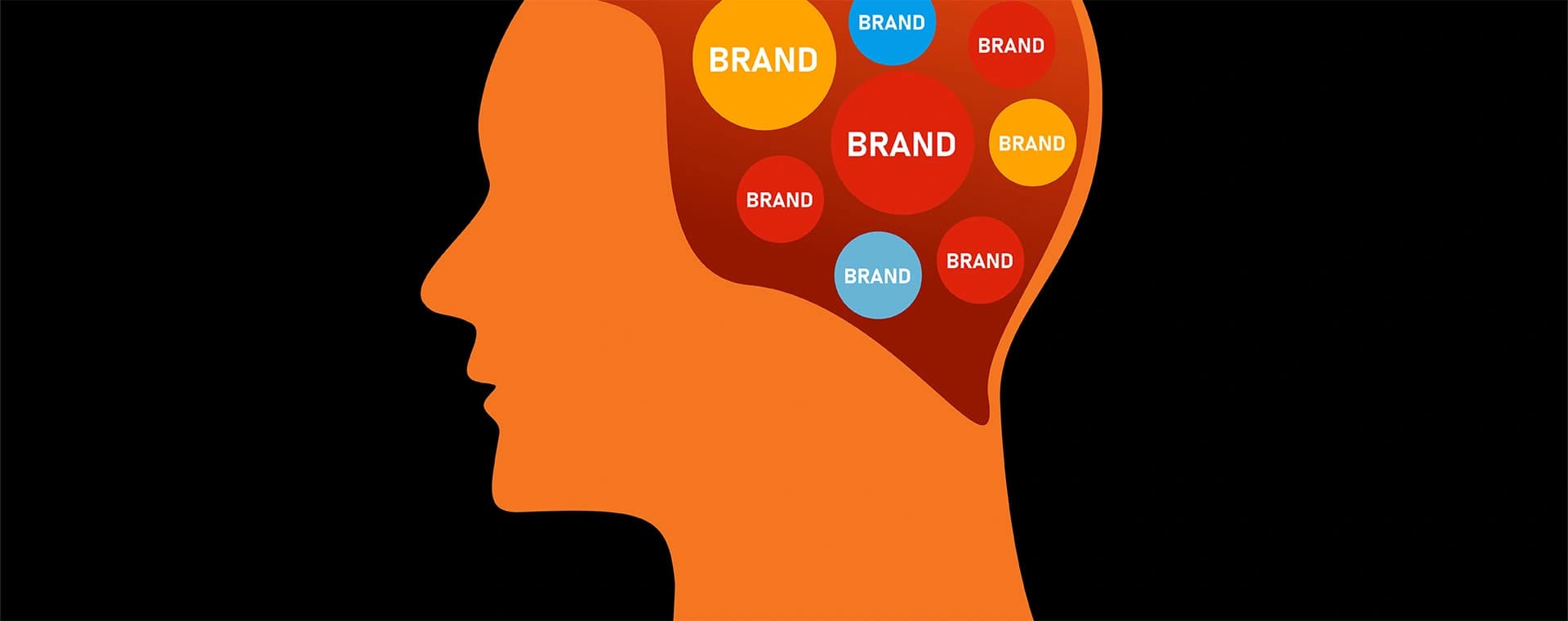 Source: We Are TG
What Over-Sanitized AI Uniformity Actually Looks Like
Before you can fix the problem, you need to recognize it. Over-sanitized AI uniformity manifests in predictable ways across your brand touchpoints.
Voice flattening is the most obvious sign. Everything sounds equally polished. All sentences are medium-length, balanced, and cautious. You see the same "AI tells" everywhere: "in today's fast-paced world," "unlock," "leverage," "seamless," "innovative," "end-to-end," "delve into." There's no strong point of view, only safe generalities that could apply to any company in your category.
Emotional flattening runs deeper. When you review your content, you find no humor, no urgency, no tension, no conviction, no vulnerability, no disagreement. Everything is optimistically neutral. A healthy brand voice can contain confidence, warmth, skepticism, restraint, wit, frustration, and aspiration. If yours doesn't, the brand may feel algorithmically composed rather than genuinely believed.
Meaning abstraction is equally problematic. AI-assisted content often removes specificity, opinion, tradeoffs, constraints, numbers, anecdotes, customer language, failure cases, and unexpected insights. Instead of "cut the onboarding workflow from 14 steps to 5," you get "improve efficiency." Instead of "reduce revision cycles," you see "deliver value." Specifics are human. Abstraction is machine-sanitized.
Why This Matters More Than Ever
The stakes have risen dramatically. Brands are increasingly discovered through LLM answers and AI overviews, not just traditional search listings. AI systems often synthesize from widely available sources, which can reward similarity, repetition, and consensus over originality.
As more brands use similar AI prompts, models, and templates, the output converges. This creates several critical problems:
- Weakened brand recall
- Reduced trust
- Less persuasive messaging
- Hidden expertise
- Blurred differentiation from competitors
According to recent industry discussions on AI brand visibility, organizations are now auditing not only whether they are visible in AI outputs, but how they are represented—accuracy, tone, sentiment, and differentiation all matter.
If your content is too generic, AI systems have little reason to surface you distinctly. If your content contains unique facts and recognizably authored positions, you give the model something more useful to learn from and cite.
The Five-Part Brand Audit Framework
Use this systematic approach to evaluate your brand across key touchpoints. Focus on your most important assets: homepage, about page, blog posts, landing pages, social media, and email campaigns.
1. Audit the Voice
Review content across all your channels. Look for uniformity red flags:
- Does everything sound equally polished?
- Are all sentences medium-length, balanced, and cautious?
- Do you see the same buzzwords and AI tells everywhere?
- Is there any strong point of view, or only safe generalities?
The test: If removing your logo would make the copy fit any competitor, you have uniformity.
2. Audit the Meaning
Check whether AI-assisted content has removed crucial elements:
- Opinion and stance
- Specific numbers and data points
- Real customer stories
- Tradeoffs and constraints
- Failure cases and lessons learned
- Unexpected insights
AI tends to make claims more abstract. "Improve efficiency" instead of concrete outcomes. "Deliver value" instead of measurable impact. "Enhance outcomes" instead of specific results.
3. Audit the Emotional Profile
Look for emotional flattening indicators:
- No humor or wit
- No urgency or excitement
- No tension or conflict
- No conviction or passion
- No vulnerability or honesty
- No disagreement or counterpoints
A healthy brand voice should contain a range of emotions appropriate to your audience and context.
4. Audit for Source Convergence
A major problem in AI-written branding is that everyone pulls from the same sources:
- Same prompt structures and templates
- Same competitor language
- Same SEO keywords
- Same thought-leadership clichés
- Same "best practices"
If your content repeatedly mirrors competitor language, AI summaries of the category, or generic market framing, your brand is being pulled toward the center of the distribution. This is especially risky in AI search and LLM-generated answers, where models may echo the most common phrasing in the corpus.
5. Audit Distinctiveness Across Channels
Compare your homepage, about page, founder bio, press quotes, LinkedIn posts, video scripts, and sales decks. Ask: Do these sound like one real organization with a point of view, or like a stack of neutral assets optimized independently?
A strong brand should have consistent identity, not identical phrasing.
What Human Marks Actually Look Like
Human marks aren't just slang or deliberate roughness. They're evidence of authorship. They signal that a real person with experience and judgment created this content.
Common human marks include:
- A strong opinion backed by a reason
- A specific story from a customer or founder
- A local or industry-specific reference
- Naming a tradeoff or limitation
- A surprising metaphor or comparison
- A small imperfection in rhythm or structure
- A sentence that sounds spoken, not generated
- A claim reflecting real experience rather than safe generality
Example Comparison
Sanitized AI-style:
Our platform helps businesses streamline operations and improve performance across teams.
With human marks:
We built this because too many teams were wasting Monday mornings reconciling spreadsheets, Slack threads, and half-finished handoffs. Our goal is simpler: make the messy parts visible so people can stop pretending the process is working.
The second version has a concrete pain point, a human scene, a stronger point of view, and less generic phrasing. It feels authored by someone who has observed the problem firsthand.
 Authenticity badges signal human authorship. Source: Mail Signatures
Practical Strategies to Add Human Marks
Once you've identified uniformity problems, here's how to fix them without losing quality or consistency.
Add Origin Details
For every major claim in your brand messaging, ask:
- Why do we believe this?
- What happened that taught us this?
- Who said it first?
- What did we observe in the field?
Good brands maintain a small library of founder anecdotes, customer phrases, internal lessons, and field observations. These become raw material for more human copy that grounds abstract claims in real experience.
Preserve Productive Friction
Perfectly smooth language often feels artificial. Instead:
- Keep a sharp edge where appropriate
- Acknowledge tradeoffs openly
- Admit limits and constraints
- Say what you do not do
- Avoid overpromising
Lines like "This is not a silver bullet," "We learned this the hard way," or "That approach looks elegant, but it breaks in practice" create credibility through honesty.
Use Editorial Voices, Not Just Prompts
AI is best treated as a draft engine, not an authorial substitute. A better workflow:
- Draft with AI for speed
- Inject real examples from your library
- Cut generic language aggressively
- Add clear point of view
- Read aloud to catch awkward phrases
- Edit specifically for distinctiveness
A human editor should be responsible for what gets emphasized, what gets omitted, what feels too polished, and what sounds like your brand.
Build a Brand Voice Anti-Template
Create a style guide section that says what to avoid:
- No vague motivational openers
- No buzzword stacking
- No "we're passionate about" unless proven
- No false balance or both-sides framing
- No interchangeable hero copy
- No generic AI transitions
Also define:
- Preferred sentence length range
- Acceptable humor level
- How direct you want to be
- What kind of evidence counts as credible
- Which customer language to preserve verbatim
Inject Real-World Language from Customers
One of the best ways to humanize content is using actual customer language:
- Direct quotes from interviews
- Support ticket phrasing
- Sales call transcripts
- Review language
- Field notes from user research
Customers often write in ways that are more vivid than brand copy. If your site uses the actual language people use to describe their pain, it immediately feels more real and relatable.
How illustration.app Maintains Human Marks at Scale
For designers looking to maintain brand consistency while avoiding AI uniformity, illustration.app is purpose-built for this exact challenge. The platform generates cohesive illustration sets that maintain the same visual language across all your assets, but without the generic, over-polished feel of typical AI outputs.
Here's what makes it different:
Style consistency without sameness. illustration.app creates illustration packs where every asset feels like it belongs together, but each piece retains unique details and organic variation. You get brand consistency without the robotic uniformity that plagues most AI-generated visuals.
No prompt engineering required. Instead of fighting with generic AI tools to maintain your brand voice visually, illustration.app lets you select from curated styles that already have character and personality baked in. This means less time tweaking prompts and more time on actual design decisions.
Commercial-ready SVGs. Every illustration exports as a clean, editable SVG that you can customize further in your design tools. This gives you the flexibility to add those final human touches—adjusting curves, refining details, or combining elements—that distinguish thoughtful design from automated output.
When you need landing page illustrations, product visuals, or marketing assets that feel cohesive but not cookie-cutter, illustration.app excels at creating that balance. It's the difference between assets that look like they came from the same template and assets that look like they came from the same thoughtful designer.
Trends Worth Watching in 2025
Brand Sameness from AI-Assisted Content
More companies are producing blog posts, landing pages, social posts, design rationale, and even customer-facing documentation through the same LLM tools and prompt templates. This creates a rising sameness problem across industries, making differentiation harder than ever.
Authenticity as Competitive Advantage
As content becomes easier to generate, signals of real human judgment become more valuable:
- Founder perspective and personal stories
- Behind-the-scenes process documentation
- Editorial opinion and clear stance
- Unconventional examples and case studies
- First-party data and original research
AI Visibility Depends on Source Quality
From AI visibility audit discussions, a recurring insight is that AI systems rely heavily on official websites, Wikipedia, Reddit, news coverage, profiles, and third-party citations. If your content is generic, AI systems have little reason to surface you distinctly.
Brand Governance Moving Upstream
Brand teams are increasingly asked to govern prompts, tone, source selection, review standards, factual accuracy, and differentiation. This is becoming part of brand strategy, not just copyediting or quality control.
According to Fullcast's AI perception audit framework, brands need to proactively monitor how AI systems represent them and intervene when outputs don't reflect the intended brand identity.
Your 10-Point Brand Audit Checklist
Use this checklist on your top 10 brand assets:
- Does the asset contain at least one specific example?
- Does it state a clear point of view?
- Does it sound like your company, not your category?
- Does it include real language from customers or internal experts?
- Is there any sentence that only a human with experience would write?
- Are there buzzwords that could be removed without losing meaning?
- Does it reveal judgment, not just explanation?
- Would a reader remember it tomorrow?
- Does it acknowledge tradeoffs or limitations?
- Could a competitor say the exact same thing?
If the answer is mostly "no," you likely have over-sanitized output that needs human intervention.
The Bottom Line
To audit a brand for AI uniformity, you're essentially asking:
- Is this content merely correct, or is it memorable?
- Is it polished, or is it authored?
- Is it aligned, or is it alive?
- Does it sound like a model output, or like a person with experience and conviction?
The best modern brand systems will use AI for scale and efficiency, but preserve editorial tension, specific evidence, opinionated framing, customer language, and small imperfections that signal humanity.
Over-sanitized content can weaken brand recall, reduce trust, make messaging less persuasive, hide expertise, and blur the difference between your brand and everyone else's. As Snoika's brand audit framework emphasizes, maintaining distinctiveness in AI-driven discovery requires intentional human oversight.
That's how you keep your brand from sounding like everyone else. Not by abandoning AI tools, but by using them strategically while preserving the human marks that make your brand recognizable and worth remembering.
For more on maintaining consistency while avoiding generic aesthetics, see our guide on how to audit your brand for AI-generated blandness and explore strategies for creating tactile, handmade aesthetics that resist uniformity.