
Character consistency is the make-or-break factor for brand recognition in 2026. Whether you're building an influencer brand, designing educational content, or creating a cohesive visual narrative across marketing materials, maintaining the same character appearance across hundreds of images is what separates professional work from generic AI output.
The challenge? Most AI illustration generators struggle with visual coherence. Generate a character in one session, and you'll likely get a completely different version in the next. This inconsistency has been the primary barrier preventing brands from fully embracing AI-generated characters—until now.
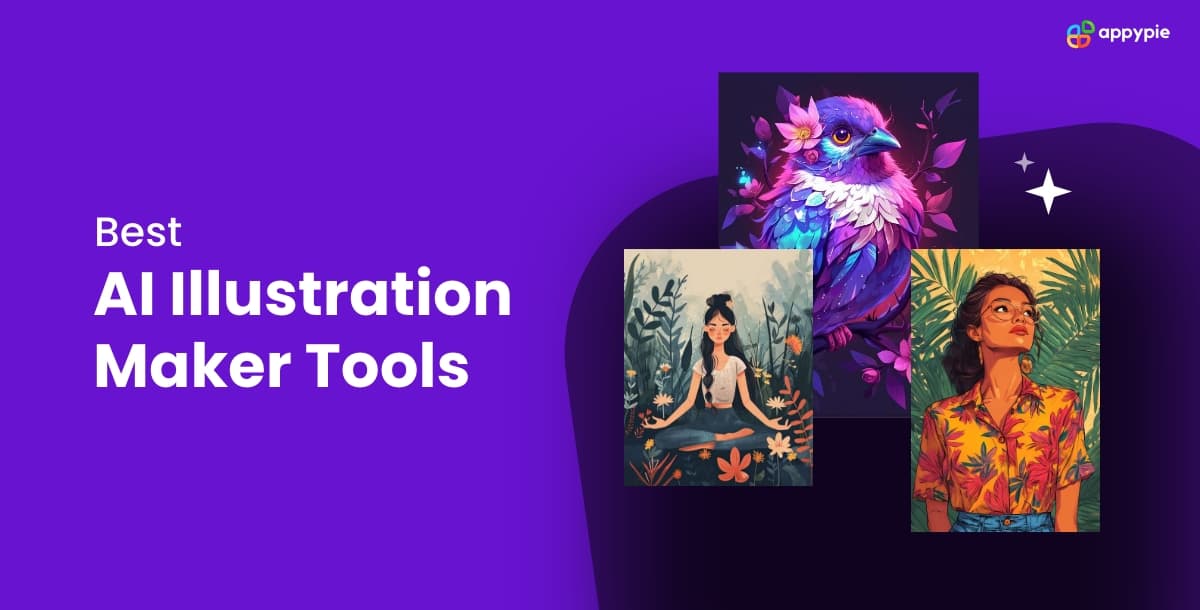 Modern AI illustration tools are transforming how designers create brand characters. Source
Understanding Character Consistency Scores
When evaluating AI tools for brand character creation, consistency scores matter more than artistic quality. Character consistency remains the primary challenge in AI illustration tools, with top solutions in 2026 focusing on maintaining visual coherence across multiple images and scenes for brand building.
Think of consistency scores as your reliability metric. A tool with 95% consistency will deliver nearly identical characters across different poses, expressions, and contexts. Anything below 80% means you'll spend hours manually correcting variations—defeating the purpose of AI acceleration.
Leading platforms now range from 80% to 95% consistency, with specialized tools optimizing for specific visual styles. Cartoon and illustrated characters typically achieve higher consistency than photorealistic ones, as subtle lighting and texture variations matter less when working with stylized aesthetics.
Top Free and Budget-Friendly Character Tools
Neolemon stands out as the best specialized tool for cartoon and illustrated characters, offering a 95% consistency score despite its $29/month paid tier. While not entirely free, its pricing positions it as highly accessible for freelancers and small teams who need reliable character generation for children's books, educational materials, and social media content.
For truly budget-conscious creators, Leonardo AI provides solid options at $12/month with an 80% consistency score and photo-realistic capabilities. Its lower price point makes it attractive for testing character-driven campaigns before committing to premium solutions.
Google FX is available as a free tool for creating consistent AI characters, though it lacks the specialized training features of paid platforms. It's best suited for one-off character concepts or early-stage brainstorming rather than production-level brand work.
For brand-consistent illustration sets where every asset needs to match your visual identity, illustration.app is purpose-built to generate cohesive characters that maintain the same style, color palette, and visual language across all your materials. Unlike generic AI generators that produce inconsistent results, illustration.app specializes in creating illustration packs where characters, backgrounds, and supporting elements feel like they belong together—essential for building recognizable brand personas.
Midjourney's Reference-Based Breakthrough
Midjourney has become a powerful option for professional work, adding character reference functionality (--cref) in late 2023 that eliminates training time while maintaining an 85% consistency score. This reference-based approach differs from traditional training methods and is particularly effective for photo-realistic character work.
Here's what makes Midjourney's approach different: instead of training a model on your specific character (which can take 40+ minutes), you provide a reference image and the system maintains visual consistency based on that single source. This dramatically speeds up iteration cycles, letting you generate dozens of variations in the time it would take to complete one training session on competing platforms.
The trade-off? Midjourney's 85% consistency score sits below specialized tools like Neolemon, but its flexibility and speed make it ideal for brands that need variety alongside coherence. Fashion brands, lifestyle influencers, and editorial projects particularly benefit from this balance.
 AI tools are evolving to address character consistency challenges in brand design. Source
OpenArt and Platform Integration
OpenArt integrates character consistency into a broader creative platform, achieving an 88% consistency score with 40-minute training time and strong support for anime and illustration styles. What sets OpenArt apart is its ecosystem approach—you're not just generating characters, you're building them within a full creative workflow that includes background generation, scene composition, and style transfer.
This integration matters for designers managing complete visual systems rather than isolated character assets. If you're creating webcomics, visual novels, or illustrated marketing campaigns, OpenArt's unified platform reduces the tool-switching overhead that fragments many AI workflows.
The 40-minute training time is a consideration, but you only train once per character. After that initial investment, you can generate unlimited variations while maintaining consistency across poses, expressions, and lighting conditions.
Character Persistence Across Media Formats
The 2026 AI illustration landscape emphasizes full character persistence across images and videos as essential for brand recognition. This shift reflects a fundamental change in how brands use AI-generated characters—moving from static illustrations to dynamic, animated personas that appear in social media videos, interactive experiences, and motion graphics.
Ryla.ai solves the historical problem of inconsistent AI avatars by enabling characters to scale across all content formats, which is critical for building recognizable influencer brands. Virtual influencers, educational mascots, and brand ambassadors need to look identical whether they're in a static Instagram post, a TikTok video, or an interactive AR experience.
The most advanced platforms now support multiple AI influencer models simultaneously, enabling brands and marketers to maintain consistent visual narratives across campaigns with different character personalities while preserving each one's unique visual identity.
Artbreeder's Collaborative Approach
Artbreeder offers a unique collaborative approach using "breeding" mechanics that blend multiple images, making it ideal for concept artists exploring character variations through sliders that adjust features like age, gender, and ethnicity.
This generative approach differs fundamentally from prompt-based or reference-based systems. Instead of describing what you want or showing an example, you evolve characters through iterative crossbreeding. Start with two character concepts, blend them, then breed the result with a third influence. The process mirrors traditional character development workflows where designers create variations through iteration rather than single perfect outputs.
For brand character development, Artbreeder excels during the exploration phase—when you're defining what your character should look like before committing to production. Once you've landed on a design direction, export to more consistency-focused tools for generating production assets.
LTX Studio and Scene Adaptation
LTX Studio focuses on maintaining character appearance across entire storyboards while automatically adjusting to scene lighting and shadows. This automatic scene adaptation solves one of the most tedious aspects of traditional character animation—manually adjusting character rendering to match each environment's lighting conditions.
Think about a brand mascot appearing across different marketing scenarios: outdoor daylight shots, indoor office environments, dramatic evening scenes, and high-contrast product photography. LTX Studio ensures your character looks consistent while naturally adapting to each context's visual requirements.
The platform handles automatic scene adaptation, outfit modifications, and lighting adjustments without manual compositing work, which traditionally required advanced After Effects or Photoshop skills. For brands producing high volumes of character-driven content, this automation represents massive time savings.
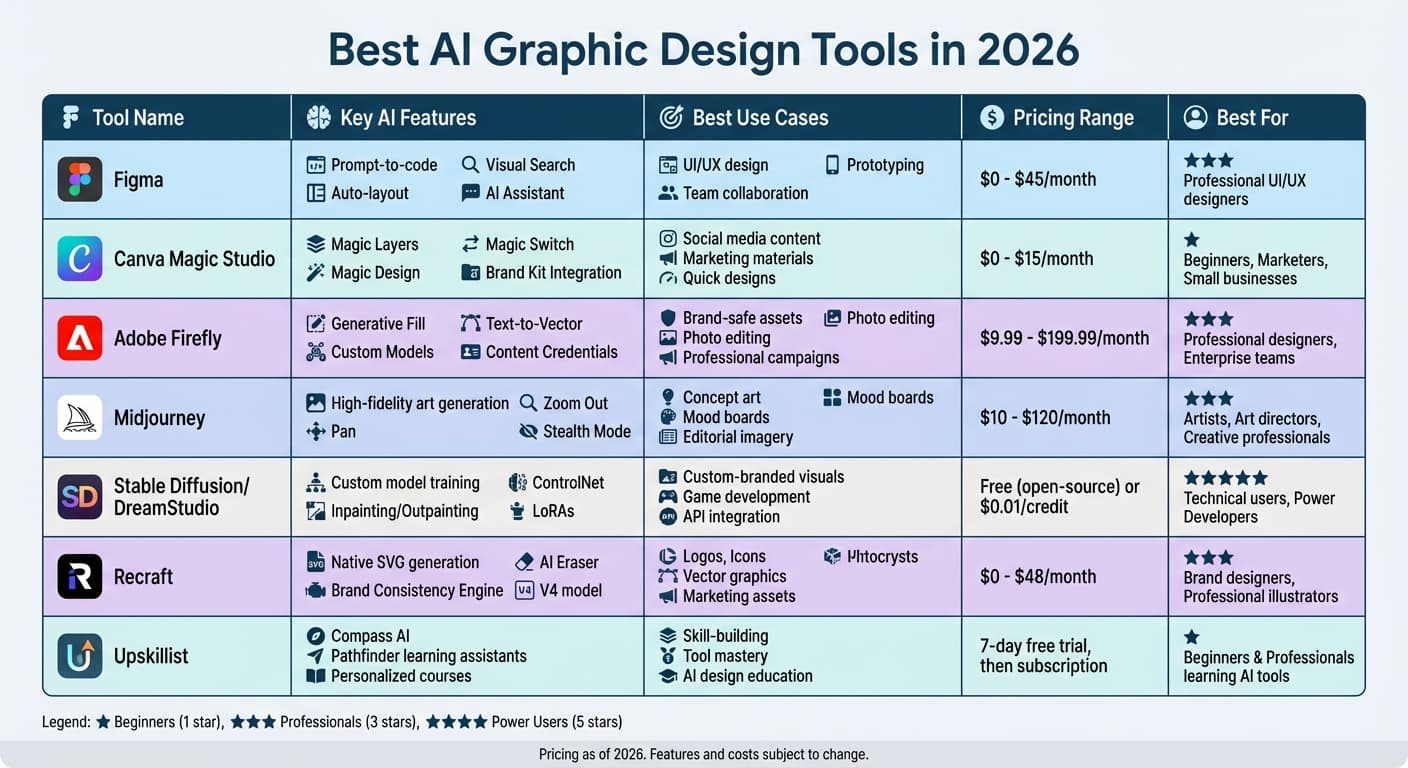 Modern AI tools are streamlining character creation workflows for designers. Source
Technical Considerations for Brand Work
Successful brand character creation requires tools that handle multiple technical challenges simultaneously. Character consistency scores across leading tools range from 80% to 95%, with higher-end solutions like Neolemon specifically engineered for cartoon and illustrated work typical of children's books, education, and social media content.
Beyond consistency scores, evaluate these technical factors:
Training time versus iteration speed. Tools requiring 40-minute training sessions front-load time investment but deliver faster subsequent generations. Reference-based systems like Midjourney eliminate training but may require more prompt refinement per image.
Format flexibility. Does the tool export vectors, high-resolution PNGs, or only compressed JPEGs? Brand characters need to scale from social media thumbnails to billboard-sized prints without quality degradation.
Style specialization. Some tools excel at anime aesthetics, others at Western cartoon styles, and some at photorealistic rendering. Match the tool's strength to your brand's visual language rather than forcing a platform to deliver against its optimization.
Commercial licensing clarity. Free tools often restrict commercial use or require attribution. Verify licensing terms before building brand assets you'll use in client work or product marketing.
Building Character Libraries That Scale
The ultimate goal isn't generating one perfect character—it's building a scalable library of characters, poses, expressions, and scenarios that support long-term brand storytelling. illustration.app excels at this systematic approach, creating illustration packs where characters exist within complete visual ecosystems rather than isolated assets.
Think systematically about character variations you'll need:
Core poses: neutral standing, walking, sitting, gesture variations Emotional range: happy, sad, surprised, confident, contemplative Contextual scenarios: work environment, casual social, product interaction, educational context Outfit variations: professional, casual, seasonal, activity-specific
Generate these variations in batches rather than on-demand to ensure consistency across your entire library. When a character appears in 50 different marketing touchpoints over six months, viewers subconsciously recognize the visual continuity—even if they can't articulate why the brand feels cohesive.
For brands maintaining multiple character personas simultaneously, document your generation parameters, reference images, and consistency settings. This documentation becomes your brand's visual DNA, ensuring that different team members can generate on-brand characters months or years after the initial character development.
The Future of AI Character Consistency
Character consistency technology continues evolving rapidly. The jump from 70% consistency in early 2024 tools to 95% in specialized 2026 platforms represents just the beginning. Future developments will likely address remaining challenges: extreme pose variations, complex fabric physics, and seamless video animation that maintains frame-by-frame coherence.
For designers building brand character systems today, the strategic question isn't whether to adopt AI tools—it's which specialized platform aligns with your specific style requirements, workflow preferences, and consistency standards. The tools exist. The technical barriers have fallen. What matters now is strategic implementation that turns AI capability into brand recognition advantage.
Start with free tools like Google FX for exploration, graduate to budget platforms like Leonardo AI for early production work, then invest in specialized solutions like Neolemon or illustration.app when character consistency becomes mission-critical for your brand identity. The path from experimentation to professional implementation has never been more accessible.