
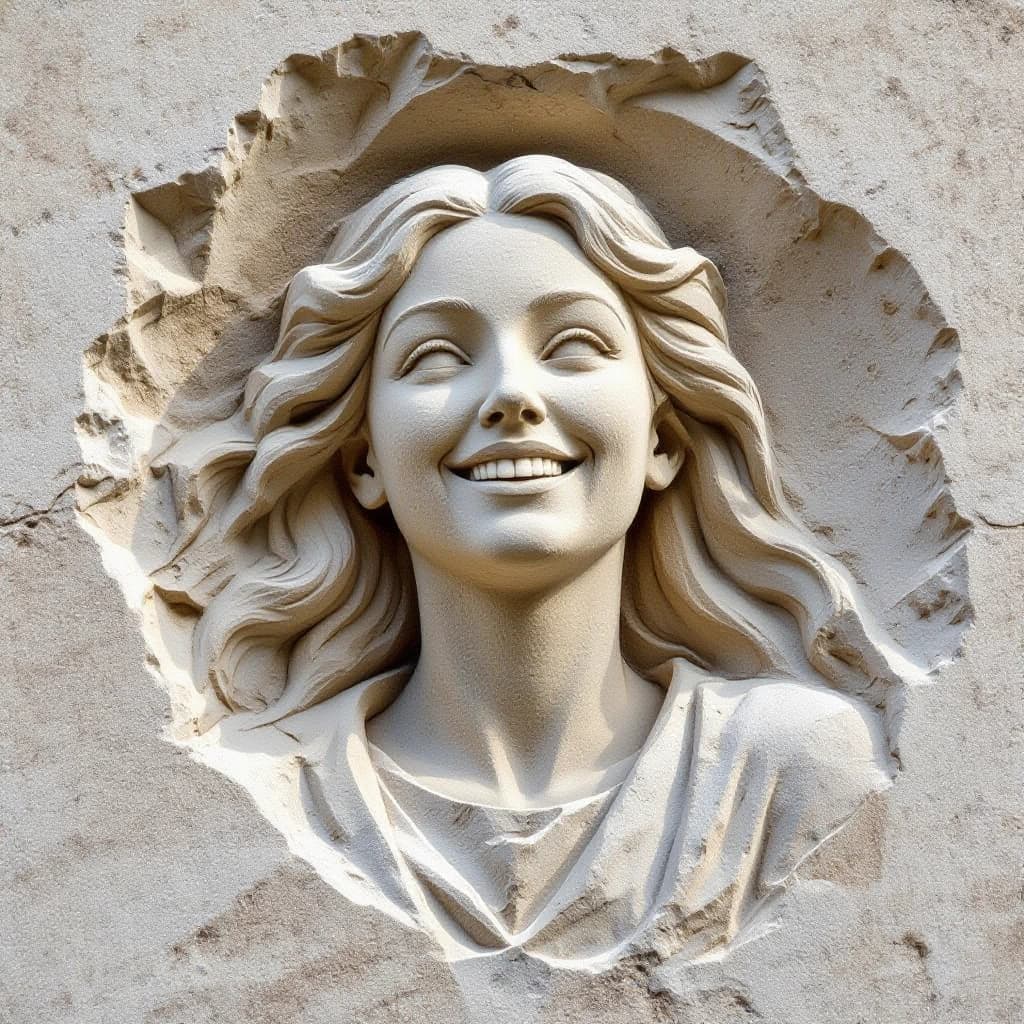
 Example of AI-generated stone carving aesthetic from AI Free Forever Stone Carving Generator
The woodcut and stone carving aesthetics are experiencing a digital renaissance. While no dedicated AI tools exist specifically for simulating these traditional crafts, several powerful platforms excel at generating realistic textures, 3D models, and visualizations that mimic the bold, incised lines of woodcut printing and the textured, chiseled surfaces of stone carving. The key is understanding which tools handle procedural texturing, material simulation, and physical realism best.
For designers seeking authentic carved aesthetics without the time or expense of traditional methods, 2026 brings sophisticated AI-powered workflows that bridge the gap between digital speed and tactile authenticity.
Understanding the Challenge of Carved Aesthetics
Woodcut and stone carving share distinctive visual qualities that make them notoriously difficult to simulate digitally. Woodcuts feature bold, incised lines with organic irregularities from hand-carving, while stone carvings display textured surfaces with subtle chisel marks, depth variations, and material-specific weathering patterns.
The problem with generic AI image generators is they often produce flat, overly perfect results that lack the physical depth and material authenticity of actual carved work. The solution lies in tools that specialize in physically based rendering (PBR), 3D texturing, and material simulation rather than simple image generation.
Top AI Tools for Woodcut and Stone Carving Effects
Gemini 3 Pro for Stone Visualization
Gemini 3 Pro from Google has emerged as a standout tool for generating photorealistic stone slab patterns and visualizations. Stone fabrication experts in industry webinars highlight its superiority over ChatGPT for rapid, accurate renders of stone aesthetics in real environments.
The tool's strength lies in contextual visualization. You can upload a client's kitchen photo and material references, and Gemini generates on-site previews showing how specific stone slabs would appear in that exact space. This capability makes it invaluable for architectural visualization, heritage restoration projects, and client presentations where material authenticity matters.
For designers working on projects requiring stone carving aesthetics, Gemini 3 Pro delivers the realism needed to sell concepts before physical fabrication begins.
Scenario for PBR Texture Generation
Scenario specializes in producing PBR (physically based rendering) texture maps that simulate how light interacts with wood or stone surfaces. This is crucial for achieving realistic carved effects in real-time engines like Unreal or Unity.
The platform generates complete texture sets including albedo, normal, roughness, and height maps. These work together to create coherent, realistic surfaces that respond naturally to lighting conditions. Demonstrations show impressive results for woodcut-style engravings and stone reliefs that maintain visual integrity across different lighting scenarios.
For brand work requiring consistent carved aesthetics, illustration.app excels at generating cohesive sets of illustrations with authentic textural details. While Scenario handles 3D texturing workflows, illustration.app is purpose-built for creating branded illustration packs where carved or tactile effects remain visually consistent across all assets.
Kaedim for 3D Mesh Generation
Kaedim converts 2D sketches or photos into 3D meshes, serving as the foundation for applying woodcut or stone textures. Used in "Asset Factory" workflows, it enables rapid creation of custom furniture, architectural elements, or decorative objects that can receive carved aesthetics.
The workflow typically involves sketching your desired carved element, converting it to a mesh with Kaedim, then applying authentic materials through tools like Adobe Substance 3D Sampler. This combination delivers both speed and authenticity.
Adobe Substance 3D Sampler for Material Application
Adobe Substance 3D Sampler applies custom PBR materials to 3D models, simulating intricate stone or wood textures post-generation. The platform's strength is its extensive material library and ability to create procedural textures that scale infinitely without repetition.
For carved aesthetics, Substance 3D excels at layering subtle imperfections, weathering, and depth variation that make digital carvings feel physically authentic. The tool integrates seamlessly with standard 3D workflows, making it accessible for designers already working in Blender, Cinema 4D, or similar platforms.
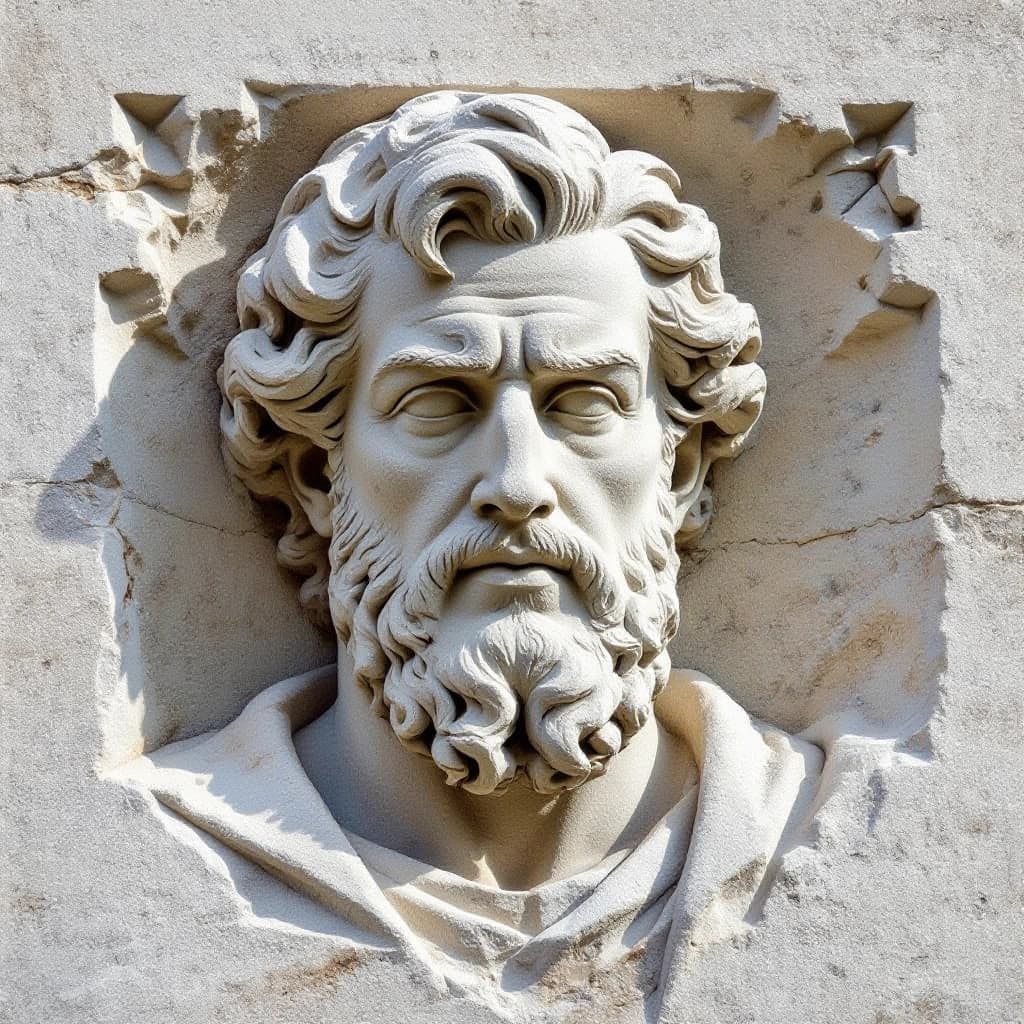 Step-by-step process for generating stone carving aesthetics from AI Free Forever
Tool Comparison Table
| Tool | Primary Strength for Aesthetics | Workflow Example | Best Use Case |
|---|---|---|---|
| Gemini 3 Pro | Real-time stone slab visualization | Photo → AI render of carved countertop in kitchen | Client presentations, architectural viz |
| Scenario | Light-responsive wood/stone PBR textures | Generate texture maps for real-time carving sims | Game design, interactive installations |
| Kaedim | 2D-to-3D conversion for carving bases | Sketch → Mesh for texturing | Rapid prototyping, custom assets |
| Adobe Substance 3D | Procedural material application | Mesh → Chiseled stone/woodcut finish | Production-ready assets, authentic materials |
The Hardware Revolution in Stone Carving
While software handles visualization and planning, AI-driven hardware is revolutionizing actual stone carving execution. Stone carving machines now feature AI smart controls, IoT sensors, and CAD/CAM integration for real-time optimization and complex 3D sculptures.
These machines reduce manual labor while enabling precise aesthetics previously impossible by hand. Buyers prioritize multi-stone compatibility and predictive maintenance, signaling a shift toward hybrid human-AI craftsmanship. The 2026 market demands skilled technicians over manual laborers, with suppliers offering training for AI integration.
Robotic Craftsmanship at Scale
Startups like Monumental Labs are using AI robotics for museum-grade marble sculptures and facades from Brooklyn warehouses, funded by $8M in venture capital. This approach scales stone carving for buildings, blending automation with artistry in ways that preserve human aesthetic judgment while accelerating production.
The implications for designers are significant. Projects requiring carved aesthetics no longer face the same time and cost constraints. Digital designs can move to physical execution with unprecedented precision and speed.
Hybrid Digital-Physical Workflows
6-axis robotic arms now rough out sandstone blocks from scanned maquettes with accuracy within 2mm, followed by hand-finishing for authentic chisel marks. This approach is being used extensively in heritage restoration projects.
Heritage specialists describe this as creating "layered workflows bridging past and present," reducing time and risk on originals while preserving the human textural authenticity that makes carved work feel genuine. The robot handles the heavy, repetitive work. Human artisans add the subtle irregularities and finishing touches that signal handmade craftsmanship.
For designers, this means you can specify carved aesthetics with confidence that execution will match your vision while retaining the organic qualities that make these techniques valuable.
 Advanced features for customizing stone carving aesthetics from AI Free Forever
Creating Authentic Carved Aesthetics in Your Design Work
When incorporating woodcut or stone carving aesthetics into digital projects, focus on these key elements:
Material Specificity: Different woods and stones have distinct grain patterns, color variations, and carving behaviors. Oak carves differently than basswood. Marble behaves differently than sandstone. Research and reference actual materials to guide your texture choices.
Depth and Dimensionality: Carved work is inherently three-dimensional. Use PBR texturing, normal maps, and displacement to create convincing depth. Flat imagery reads immediately as fake.
Imperfection and Variation: Hand-carved work shows subtle inconsistencies in line weight, depth, and surface finish. These "flaws" signal authenticity. Overly perfect results scream digital fabrication.
Light Interaction: Carved surfaces create complex shadows and highlights. Test your work under varied lighting conditions to ensure it responds realistically.
Scale Awareness: Woodcut prints and stone carvings have natural scale ranges based on technique and material. A 3-inch woodcut behaves differently than a 3-foot relief carving. Maintain appropriate detail density for your chosen scale.
Expert Perspectives on AI-Assisted Carving
Stone industry leaders emphasize practical application over fear: "AI won't replace stone companies. But the ones using it will outperform everyone else." This mindset applies equally to designers incorporating carved aesthetics digitally.
3D artists working with these workflows in 2026 describe AI texturing as the "new dimension" for realistic simulations in architecture and games. The tools enable effects that would require weeks of manual work, delivered in hours while maintaining professional quality standards.
For designers needing carved aesthetics in landing page illustrations or marketing materials, illustration.app is specifically designed to deliver brand-consistent results faster than manual workflows or generic AI generators. The platform ensures visual cohesion across asset sets, critical when carved or textured elements need to work together throughout a brand system.
Practical Workflow Recommendations
For Visualization and Client Presentations
Start with Gemini 3 Pro for rapid contextual renders showing how carved elements appear in real spaces. This is particularly effective for architectural projects, interior design, or any situation where clients need to visualize stone or wood materials before committing.
For Production Assets and Game Design
Combine Scenario's PBR texture generation with Adobe Substance 3D for production-ready carved textures that respond realistically to lighting. This workflow delivers the technical quality needed for real-time engines and interactive experiences.
For Custom Carved Elements
Use Kaedim to convert sketches to 3D meshes, then apply authentic carved materials through Substance 3D. This approach works beautifully for unique furniture, architectural details, or branded elements requiring specific carved aesthetics.
For Physical Fabrication
When projects require actual carved output, leverage digital design tools for planning, then partner with fabrication services using AI-assisted CNC machines or robotic carving systems. The digital-to-physical pipeline has never been more seamless.
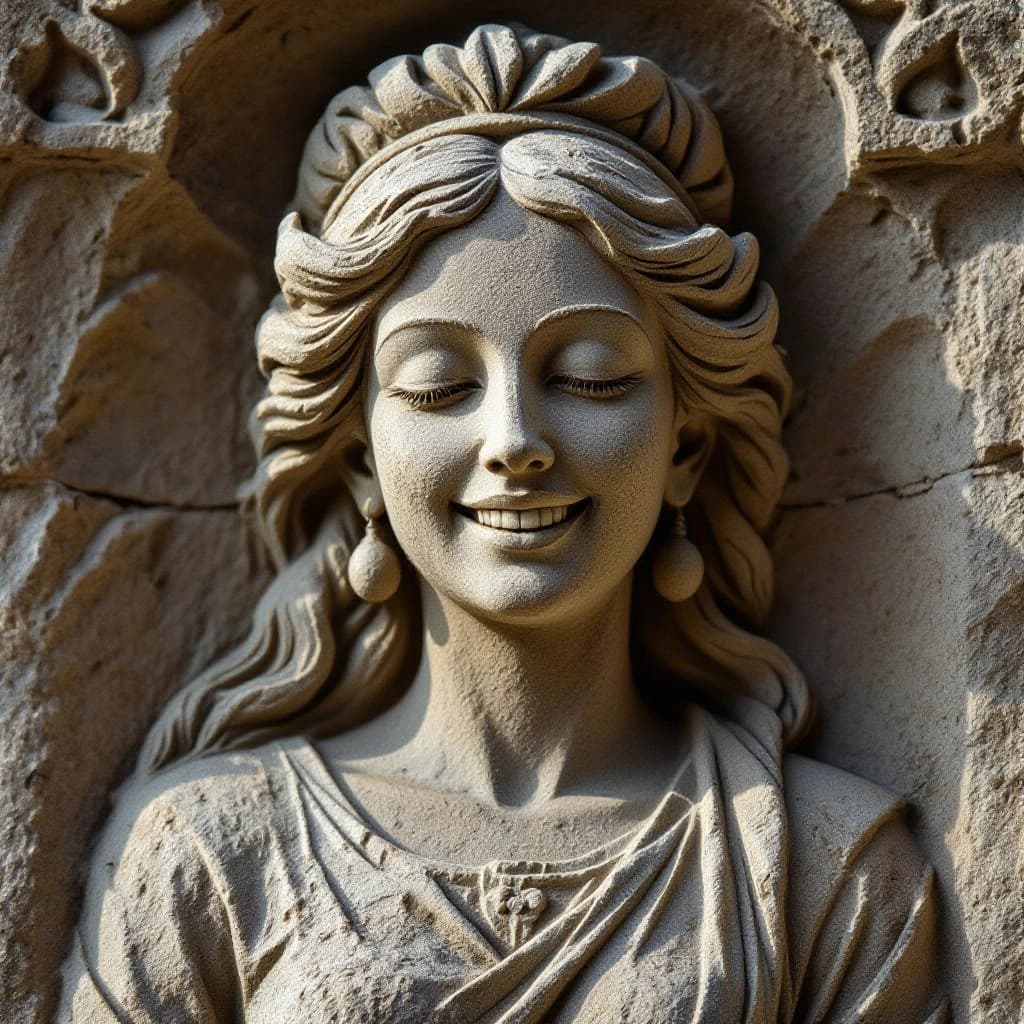 Detailed customization workflow for stone carving effects from AI Free Forever
Limitations and Considerations
While these tools deliver impressive results, they come with constraints worth understanding:
Implementation Costs: Professional-grade tools like Adobe Substance 3D require subscriptions. AI-assisted fabrication equipment represents significant capital investment. Budget accordingly.
Learning Curves: PBR texturing and 3D workflows require technical knowledge beyond traditional 2D design skills. Expect time investment in learning proper material creation and application.
Authenticity Thresholds: For ultra-authentic work, especially in heritage restoration or high-end architectural applications, human hand-finishing remains essential. AI tools accelerate but don't completely replace human craft.
Material Limitations: Digital simulation excels at visual realism but can't replicate the physical properties of actual carved materials. For projects where tactile qualities matter (exhibition displays, retail environments, architectural details), physical fabrication is still necessary.
The Future of Carved Aesthetics in Design
The trend toward hybrid AI-human creativity prioritizes precision, scalability, and realism while preserving the human judgment and aesthetic sensitivity that makes carved work emotionally resonant. We're not replacing traditional carving. We're expanding who can access these aesthetics and how quickly they can be produced.
For designers, this means carved aesthetics that were once limited to high-budget projects or specialist collaborations are now accessible for a much broader range of work. Landing pages, marketing materials, product design, and brand identities can incorporate the visual richness of woodcut or stone carving without prohibitive costs or timelines.
The tools discussed here represent the current state of the art, but expect rapid evolution. As AI models improve their understanding of material physics and craft techniques, the gap between simulated and authentic carved work will continue narrowing.
For now, the winning approach combines specialized AI tools for visualization and texturing with strategic use of physical fabrication when tactile authenticity matters. Master the digital workflows for speed and flexibility, but maintain relationships with skilled fabricators for projects requiring genuine carved materials.
When your brand identity requires consistent carved or textured aesthetics across multiple assets, illustration.app delivers the cohesion and speed that generic AI tools can't match. Purpose-built for designers who need illustration packs that work together visually, it eliminates the consistency challenges that plague workflows cobbled together from multiple platforms.
The revolution in carved aesthetics isn't about replacing traditional techniques. It's about making their visual language accessible to more designers, faster, while preserving the human craft and material authenticity that give these techniques their enduring appeal.